Vrat Kathas
The story you fast for — Solah Somvar, Karwa Chauth, Satyanarayan, Santoshi Mata and more.
Ancient wisdom for vrat, mantra, upay, and sacred rituals.
Find the right guide by deity, category, festival, graha, or life need.
Start here, then this row adapts
Recommended for you

 Remedy Vrat Katha
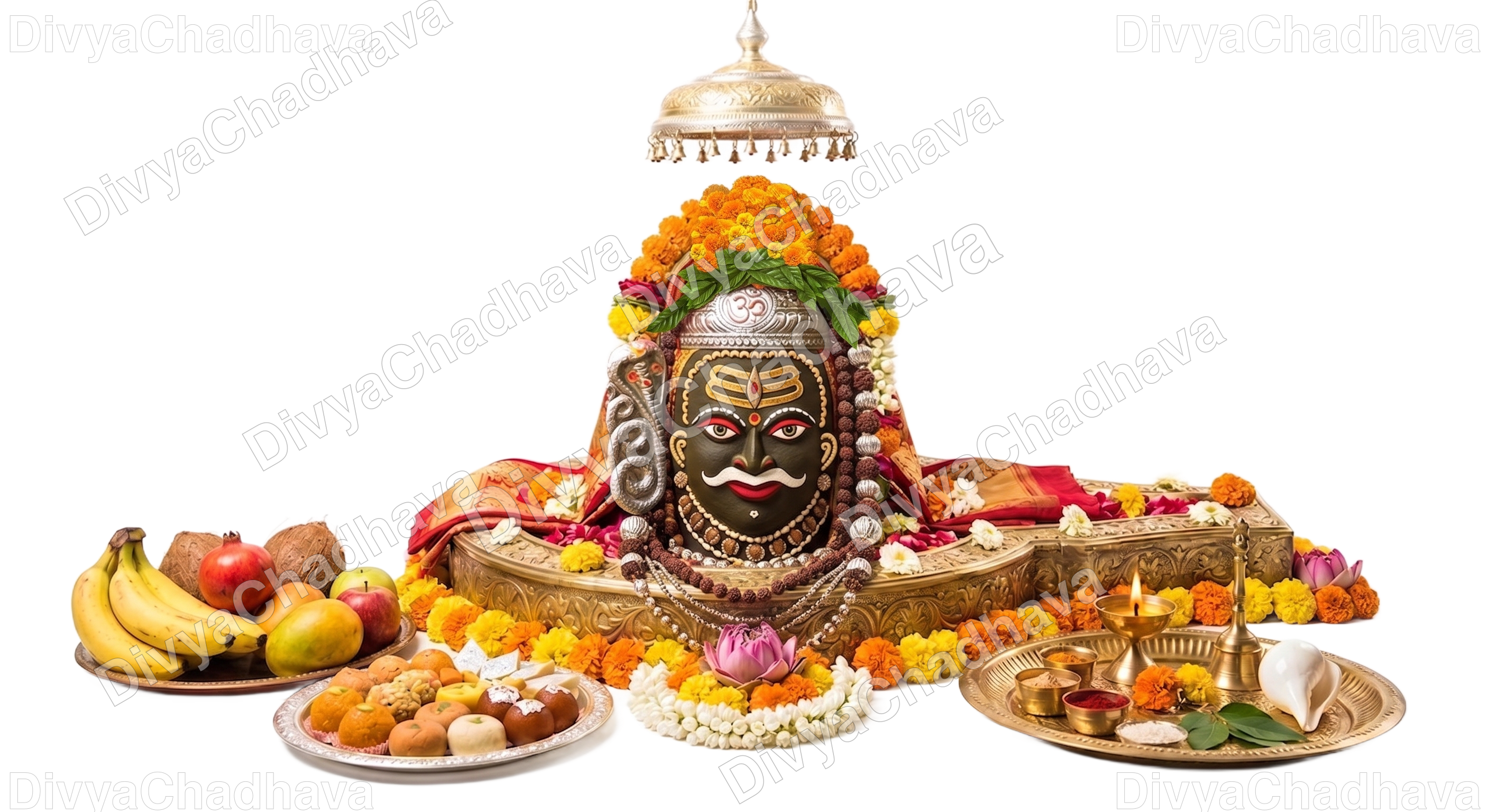
Mahakaal Rahu Vrat Katha: Unlock Marriage Blessings with Devotion
Mahakaal, the fierce form of Lord Shiva, combined with the mystical energies of Rahu, governs transformation and overcoming hidden obstacles. For those facing delays or difficulties in marriage, this vrat offers a powerful remedy. The vrat invokes Ma
Marriage delays, hidden obstacles, and karmic relationship pressure
 Vrat Katha
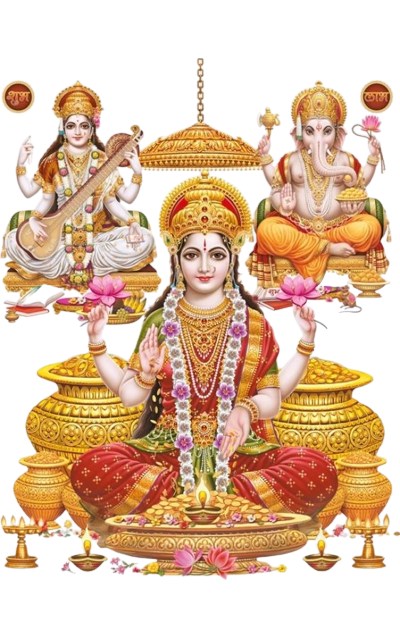
Margashirsha Mahalaxmi Vrat Katha
The Margashirsha Mahalaxmi Vrat is a very auspicious fast observed on Thursdays during the holy month of Margashirsha. It is believed that listening to or reading this story (Katha) brings peace, wealth, and prosperity to the family.
Prosperity, household abundance, and Lakshmi grace
 Vrat Katha
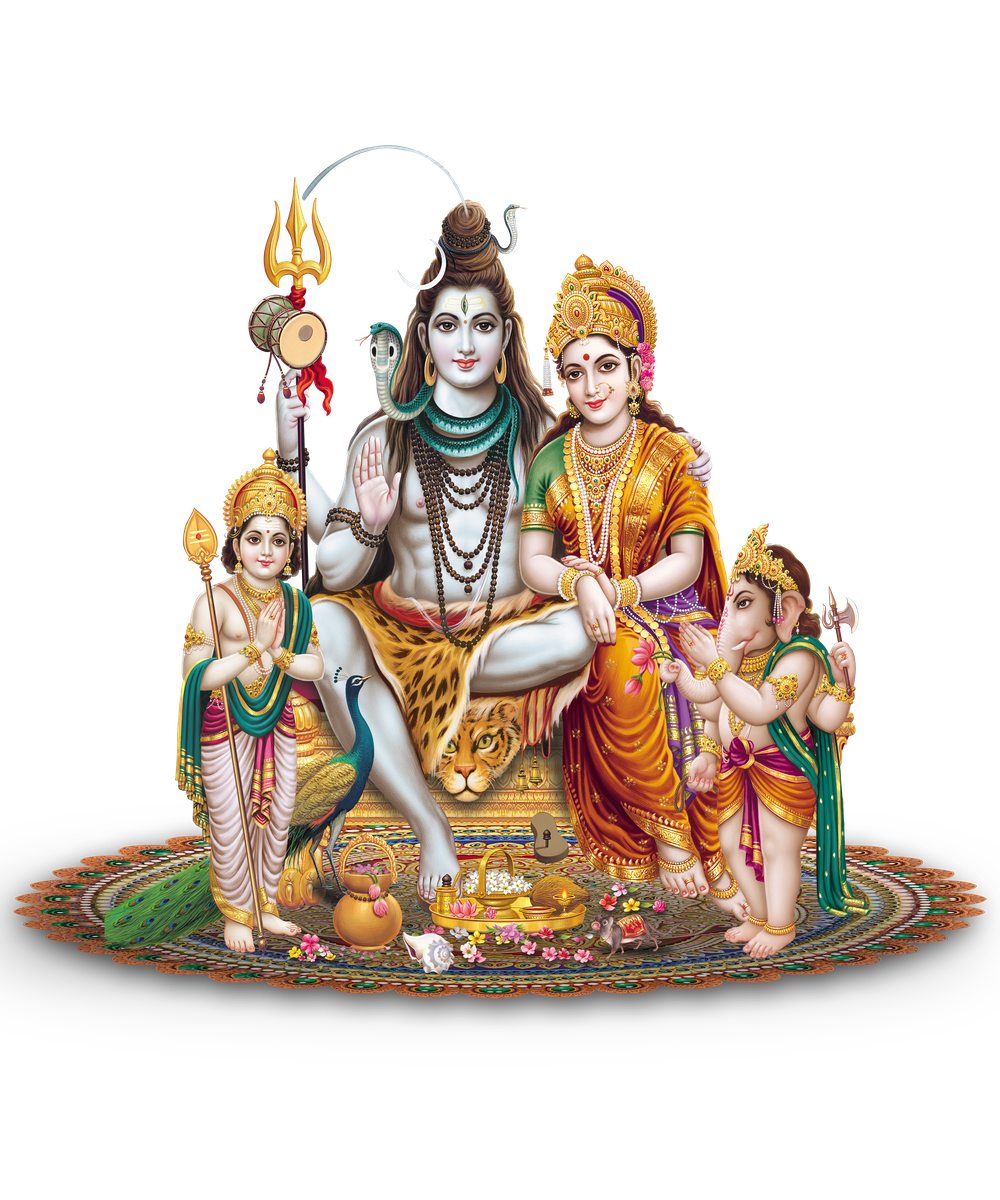
Solah Somvar Vrat Katha (16 Mondays Fast)
Introduction: The Solah Somvar Vrat (16 Mondays Fast) is one of the most powerful fasts in Hinduism, dedicated to Lord Shiva. It is believed that observing this fast with a pure heart can fulfill any wish, especially regarding marriage and health.
Sixteen Monday vrat, marriage blessings, and wish fulfilment
 Vrat Katha
Santoshi Mata Vrat Katha (Friday Fast)
Introduction: The Santoshi Mata Vrat is observed on 16 consecutive Fridays. It is widely performed by women for the well-being of their husbands and family harmony. The most important rule is to avoid eating or touching anything sour (like lemon or t
Friday vrat, contentment, and wish fulfilment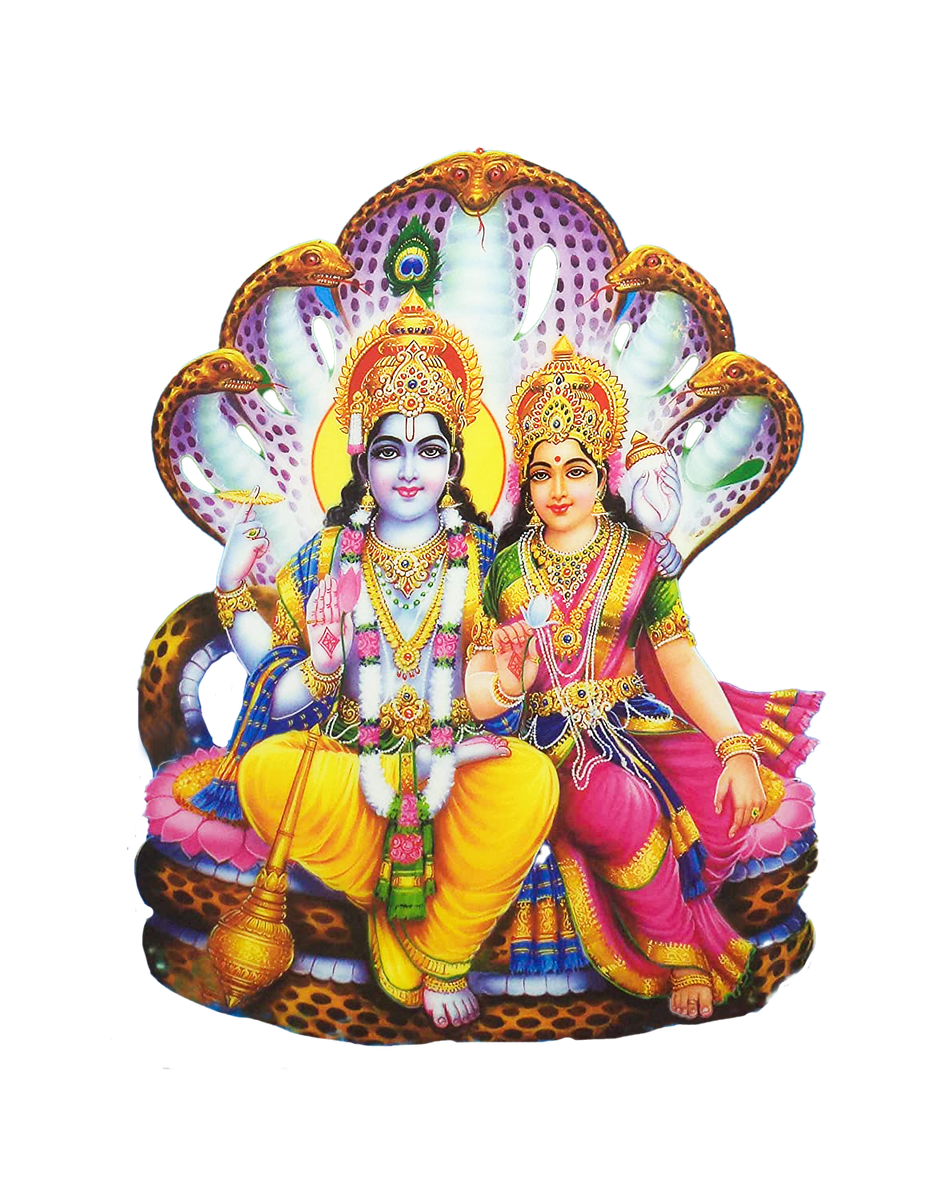 Vrat Katha
Satyanarayan Vrat Katha
Introduction The Satyanarayan Puja is perhaps the most common ritual performed in Hindu households on Full Moon days (Purnima) or special occasions like housewarmings or weddings. It is the worship of Lord Vishnu in his form as the embodiment of Trut
Truth, prosperity, gratitude, and family peace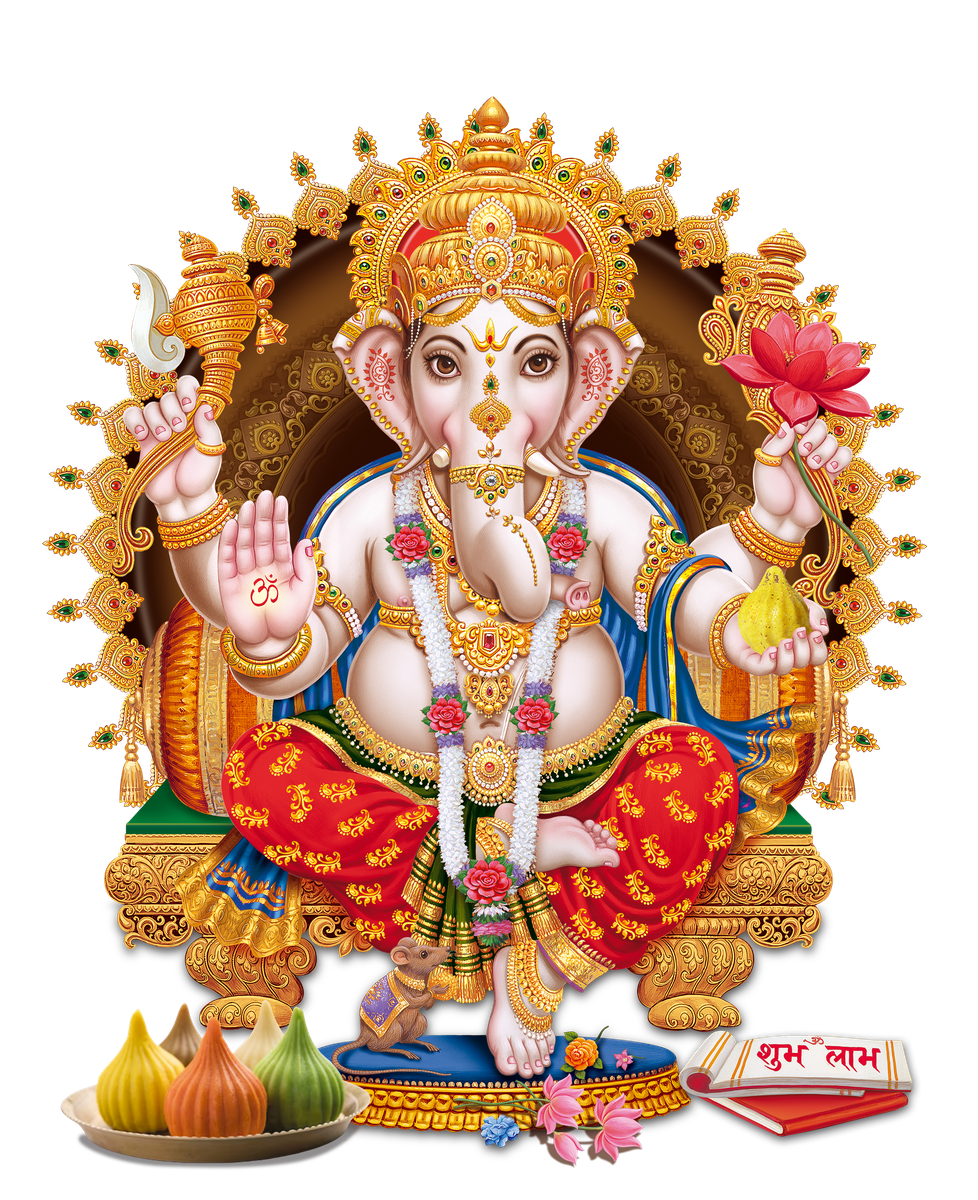 Vrat Katha
Sankashti Chaturthi Vrat Katha
Introduction Sankashti Chaturthi is observed on the fourth day after the full moon every month. “Sankashti” means deliverance during troubled times. Devotees fast from sunrise until moonrise. It is believed that Lord Ganesha removes all obstacles (Vi
Obstacle removal, moonrise vrat, and Ganesh blessingsVrat KathaUtpanna Ekadashi Vrat Katha (The Origin Story)
Introduction: Ekadashi is considered the “King of all Fasts.” While there are 24 Ekadashis in a year, the Utpanna Ekadashi is significant because it marks the birth (Utpatti) of the Goddess Ekadashi herself. It usually falls in November or December.
Ekadashi origin, fasting discipline, and spiritual protectionVrat KathaKarwa Chauth Vrat Katha
Introduction Karwa Chauth is one of the most famous festivals in North India, observed by married women for the longevity and safety of their husbands. They fast from sunrise until they see the moon at night.
Marital longevity, love, and household blessingsVrat KathaHartalika Teej Vrat Katha
Introduction Hartalika Teej is observed by women seeking marital bliss and by unmarried girls seeking a good husband. “Hartalika” is a combination of two words: Harat (abduction) and Aalika (friend). It refers to the time when Goddess Parvati’s frien
Marital commitment, devotion, and blessings for an ideal spouseVrat KathaAhoi Ashtami Vrat Katha
Introduction Ahoi Ashtami is celebrated 8 days before Diwali. Mothers observe this strict fast for the long life and well-being of their children. The fast is broken only after sighting the stars in the evening.
Child protection and motherly blessingsVrat KathaVat Savitri Vrat Katha
Introduction Vat Savitri is observed on the Amavasya (New Moon) or Purnima (Full Moon) of Jyeshtha month. Married women tie a sacred thread around a Banyan (Vat) tree, praying for their husband’s long life. The Banyan tree represents the Trinity (Bra
Marital longevity, devotion, and courage in adversityVrat KathaRishi Panchami Vrat Katha
Introduction Rishi Panchami is observed on the fifth day after Ganesh Chaturthi. It is not for the usual desires of wealth or marriage, but specifically for the cleansing of sins, particularly those committed unknowingly (often related to menstrual i
Purification, respect for sages, and correction of ritual omissions6 devotional guides
Festival Katha

 Festival Katha
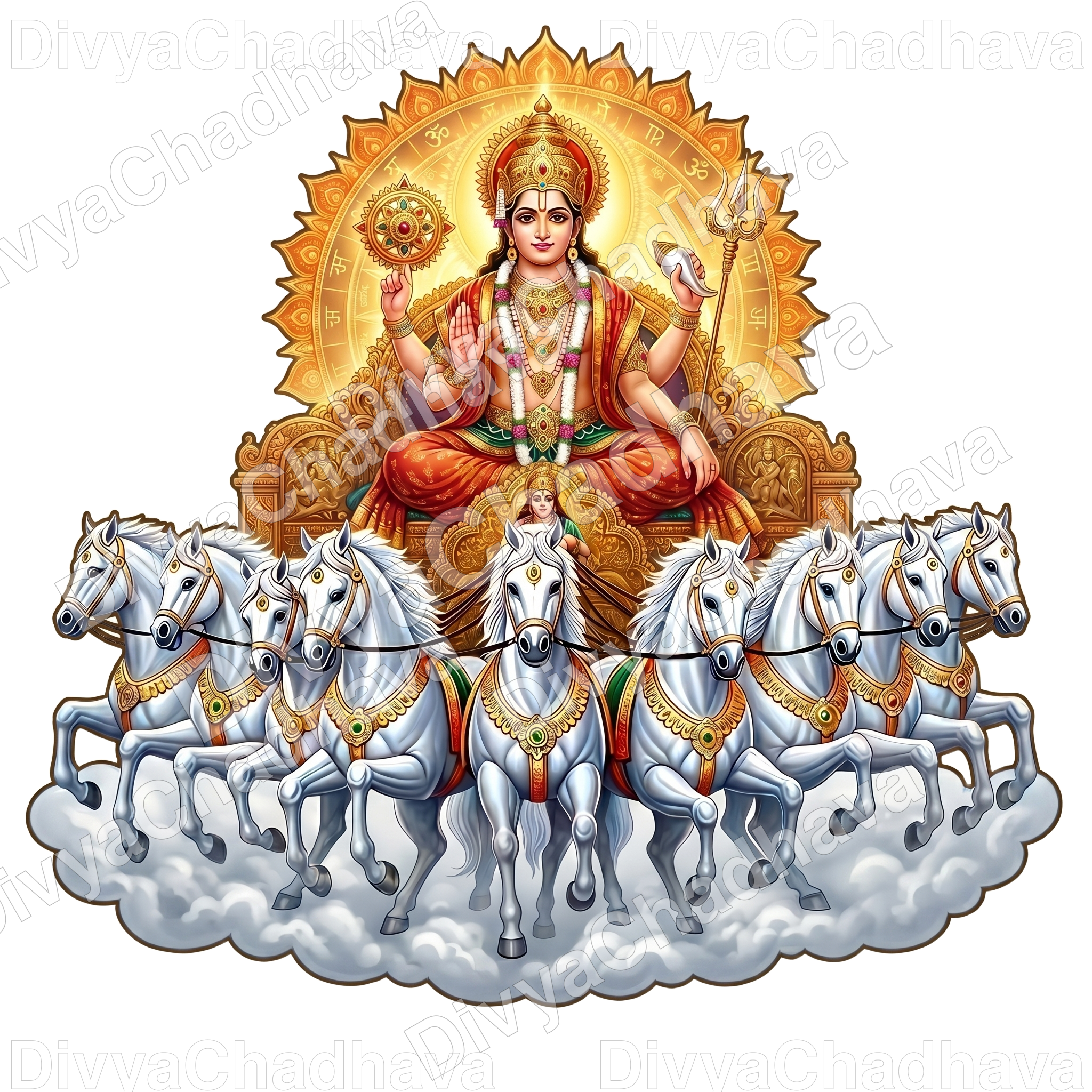
Chhath Puja Katha
Introduction Chhath is a major festival where devotees stand in water and offer Arghya to the setting and rising sun. It is performed for the health and longevity of family members.
Health, vitality, family wellbeing, and gratitude to the Sun
 Festival Katha
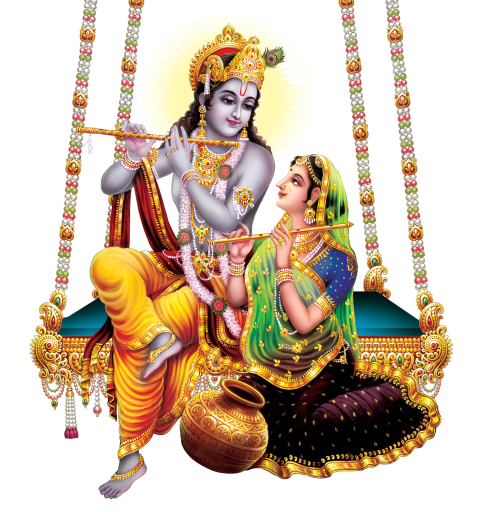
Govardhan Puja Katha
Introduction Celebrated the day after Diwali, this festival commemorates the time Lord Krishna lifted the Govardhan Hill to protect the villagers of Vrindavan from the rain.
Gratitude, protection, food abundance, and Krishna bhaktiFestival KathaSheetala Saptami/Ashtami Katha
Introduction On this day, stoves are not lit. People eat “Basoda” (stale/cold food cooked the previous night). It is observed to protect the family from heat-related diseases like smallpox and chickenpox.
Health, cooling grace, and household protectionFestival KathaBhai Dooj Katha
Introduction Bhai Dooj celebrates the bond between brothers and sisters. It is observed on the second day after Diwali. Sisters apply a Tilak on their brothers’ foreheads and pray for their long life.
Sibling protection, affection, and family blessingsFestival KathaAkshaya Tritiya Katha
Introduction Akshaya Tritiya means “The day of never-diminishing returns.” Buying gold or starting new ventures on this day is considered lucky.
Auspicious prosperity, daan, and new beginningsFestival KathaTulsi Vivah Katha
Introduction Tulsi Vivah marks the end of the monsoon and the beginning of the Hindu wedding season. It is the ceremonial marriage of the Tulsi plant (holy basil) to the Saligram stone (Lord Vishnu).
Sacred marriage symbolism, household harmony, and prosperity1 devotional guide
Remedy Vrat Katha
25 devotional guides
Vrat Katha
Vrat KathaMargashirsha Mahalaxmi Vrat Katha
The Margashirsha Mahalaxmi Vrat is a very auspicious fast observed on Thursdays during the holy month of Margashirsha. It is believed that listening to or reading this story (Katha) brings peace, wealth, and prosperity to the family.
Prosperity, household abundance, and Lakshmi graceVrat KathaSolah Somvar Vrat Katha (16 Mondays Fast)
Introduction: The Solah Somvar Vrat (16 Mondays Fast) is one of the most powerful fasts in Hinduism, dedicated to Lord Shiva. It is believed that observing this fast with a pure heart can fulfill any wish, especially regarding marriage and health.
Sixteen Monday vrat, marriage blessings, and wish fulfilmentVrat KathaSantoshi Mata Vrat Katha (Friday Fast)
Introduction: The Santoshi Mata Vrat is observed on 16 consecutive Fridays. It is widely performed by women for the well-being of their husbands and family harmony. The most important rule is to avoid eating or touching anything sour (like lemon or t
Friday vrat, contentment, and wish fulfilmentVrat KathaSatyanarayan Vrat Katha
Introduction The Satyanarayan Puja is perhaps the most common ritual performed in Hindu households on Full Moon days (Purnima) or special occasions like housewarmings or weddings. It is the worship of Lord Vishnu in his form as the embodiment of Trut
Truth, prosperity, gratitude, and family peaceVrat KathaSankashti Chaturthi Vrat Katha
Introduction Sankashti Chaturthi is observed on the fourth day after the full moon every month. “Sankashti” means deliverance during troubled times. Devotees fast from sunrise until moonrise. It is believed that Lord Ganesha removes all obstacles (Vi
Obstacle removal, moonrise vrat, and Ganesh blessingsVrat KathaUtpanna Ekadashi Vrat Katha (The Origin Story)
Introduction: Ekadashi is considered the “King of all Fasts.” While there are 24 Ekadashis in a year, the Utpanna Ekadashi is significant because it marks the birth (Utpatti) of the Goddess Ekadashi herself. It usually falls in November or December.
Ekadashi origin, fasting discipline, and spiritual protectionVrat KathaKarwa Chauth Vrat Katha
Introduction Karwa Chauth is one of the most famous festivals in North India, observed by married women for the longevity and safety of their husbands. They fast from sunrise until they see the moon at night.
Marital longevity, love, and household blessingsVrat KathaHartalika Teej Vrat Katha
Introduction Hartalika Teej is observed by women seeking marital bliss and by unmarried girls seeking a good husband. “Hartalika” is a combination of two words: Harat (abduction) and Aalika (friend). It refers to the time when Goddess Parvati’s frien
Marital commitment, devotion, and blessings for an ideal spouseVrat KathaAhoi Ashtami Vrat Katha
Introduction Ahoi Ashtami is celebrated 8 days before Diwali. Mothers observe this strict fast for the long life and well-being of their children. The fast is broken only after sighting the stars in the evening.
Child protection and motherly blessingsVrat KathaVat Savitri Vrat Katha
Introduction Vat Savitri is observed on the Amavasya (New Moon) or Purnima (Full Moon) of Jyeshtha month. Married women tie a sacred thread around a Banyan (Vat) tree, praying for their husband’s long life. The Banyan tree represents the Trinity (Bra
Marital longevity, devotion, and courage in adversityVrat KathaRishi Panchami Vrat Katha
Introduction Rishi Panchami is observed on the fifth day after Ganesh Chaturthi. It is not for the usual desires of wealth or marriage, but specifically for the cleansing of sins, particularly those committed unknowingly (often related to menstrual i
Purification, respect for sages, and correction of ritual omissionsVrat KathaPradosh Vrat Katha
Introduction The Pradosh Vrat is observed on the 13th day (Trayodashi) of both the waxing and waning moon cycles. “Pradosh” refers to the twilight period (sunset). It is believed that during this time, Lord Shiva performs the cosmic dance (Tandava) o
Pradosh kaal worship, peace, and karmic purificationVrat KathaGuruvar (Thursday) Vrat Katha of (Lord Brihaspati & Vishnu)
Introduction Thursday (Guruvar) is dedicated to Brihaspati (the Guru of the Gods) and Lord Vishnu. Devotees wear yellow clothes and eat yellow food (avoiding salt). This fast is observed for wisdom, education, and wealth.
Guru kripa, wisdom, marriage, family harmony, and prosperityVrat KathaRavivar (Sunday) Vrat Katha
Introduction Sunday is dedicated to Lord Surya. This fast is observed to cure skin diseases, attain good health, and gain social respect. Devotees eat only one meal before sunset, usually made of wheat and jaggery, without salt.
Health, confidence, reputation, and disciplined routine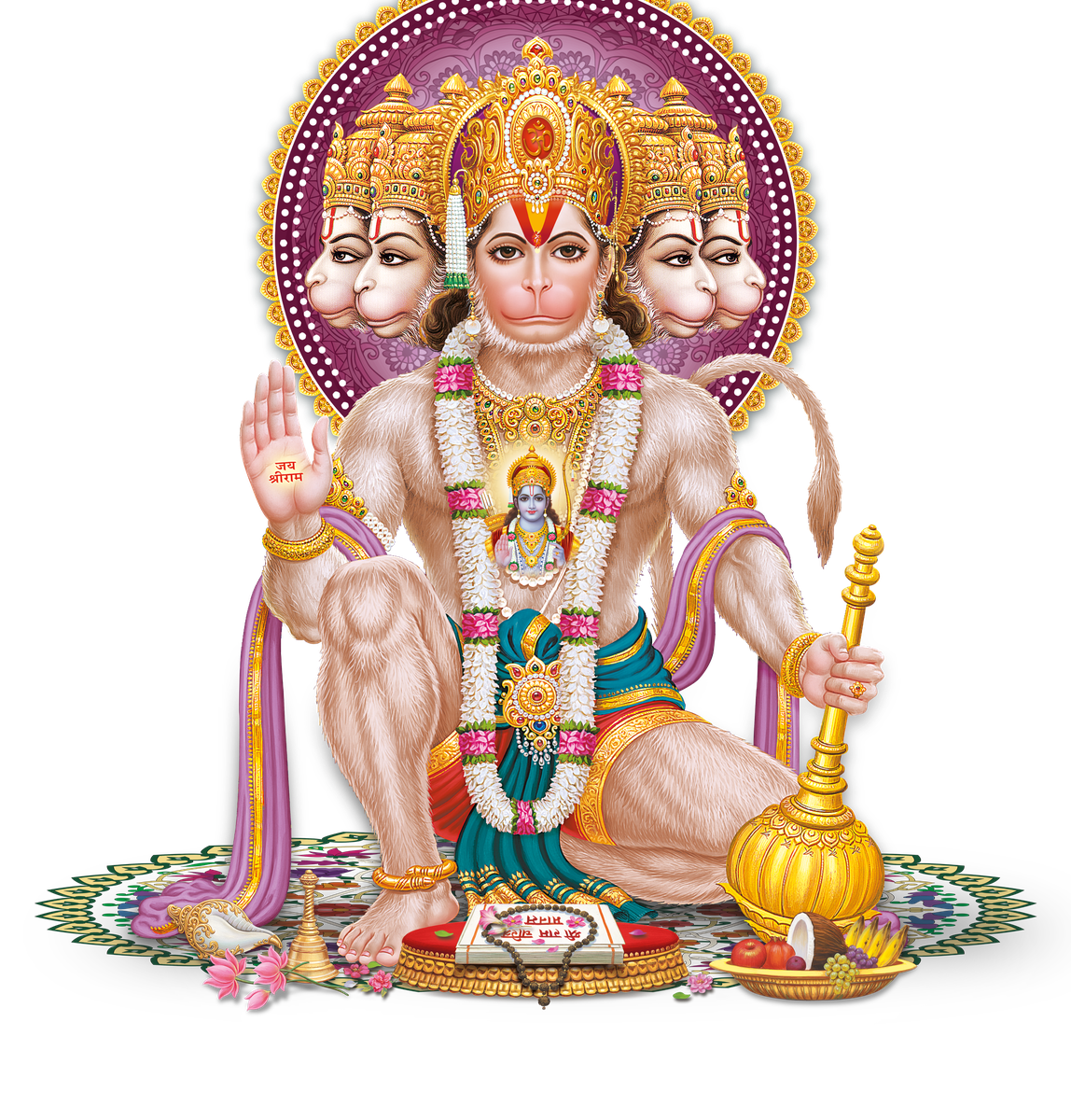 Vrat Katha
Mangalvar (Tuesday) Vrat Katha
Introduction Tuesday is the day of Hanuman Ji. This fast is observed by those seeking strength, courage, and protection from evil. It is also observed by couples wishing for a son. Devotees eat food made of wheat and jaggery (no salt) once a day.
Courage, protection, debt relief, and disciplined effortVrat KathaBudhvar (Wednesday) Vrat Katha
Introduction The Wednesday fast is observed to pacify the planet Mercury (Budh) and seek the blessings of Lord Ganesha. It brings wisdom, business success, and removes obstacles. Devotees wear green clothes and eat food made of Moong Dal (green gram)
Intellect, speech, business clarity, and balanced decisions
 Vrat Katha
Shanivar (Saturday) Vrat Katha
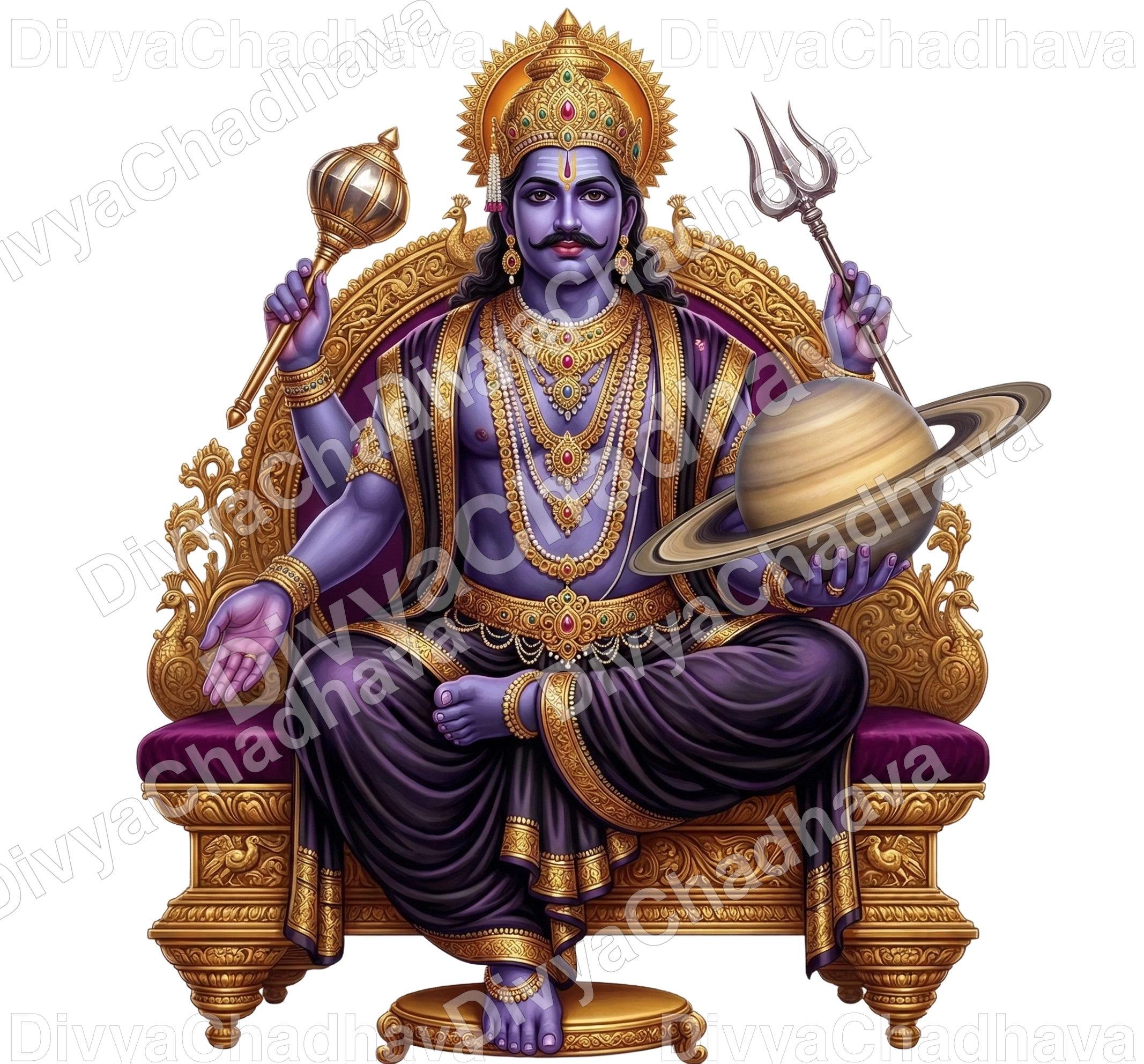
Introduction: Shani Dev is the God of Justice. People fear him, but he only punishes bad karma and rewards patience. This fast is observed to reduce the effects of Sade Sati or Shani Dosha
Shani shanti, karmic patience, and protectionVrat KathaJitiya (Jivitputrika) Vrat Katha
Introduction Jivitputrika (Jitiya) is a difficult Nirjala (waterless) fast observed by mothers in Bihar, UP, and Nepal for their children’s safety.
Children’s long life, protection, and motherly devotionVrat KathaGangaur Vrat Katha
Introduction Gangaur is a colorful festival of Rajasthan. “Gana” is Shiva and “Gaur” is Gauri. It is observed by women for the long life of their husbands.
Marital happiness, suhaag, and household harmonyVrat KathaNag Panchami Vrat Katha
Introduction On Nag Panchami, snakes are worshipped with milk. It falls in the rainy season (Shravan). It is believed to remove the fear of snakebites and Kaal Sarp Dosh.
Protection from fear, ancestral serpent symbolism, and family safetyVrat KathaMahashivratri Vrat Katha
Introduction Mahashivratri is the “Great Night of Shiva.” Fasting on this day is considered the most powerful way to please Lord Shiva.
Night-long Shiva bhakti, purification, and inner stillnessVrat KathaSomvati Amavasya Vrat Katha
Introduction Somvati Amavasya is considered a very powerful day for mitigating Pitra Dosh (ancestral curse) and for the long life of one’s husband. Married women observe a fast and circumambulate the Peepal tree 108 times, tying a sacred thread aroun
Amavasya purification, family wellbeing, and marital blessingsVrat KathaAnant Chaturdashi Vrat Katha
Introduction Observed 10 days after Ganesh Chaturthi, this Vrat is dedicated to Lord Vishnu. Devotees tie a sacred thread (Anant Sutra) with 14 knots on their arm.
Stability, protection, and family prosperityVrat KathaNavratri Vrat Katha
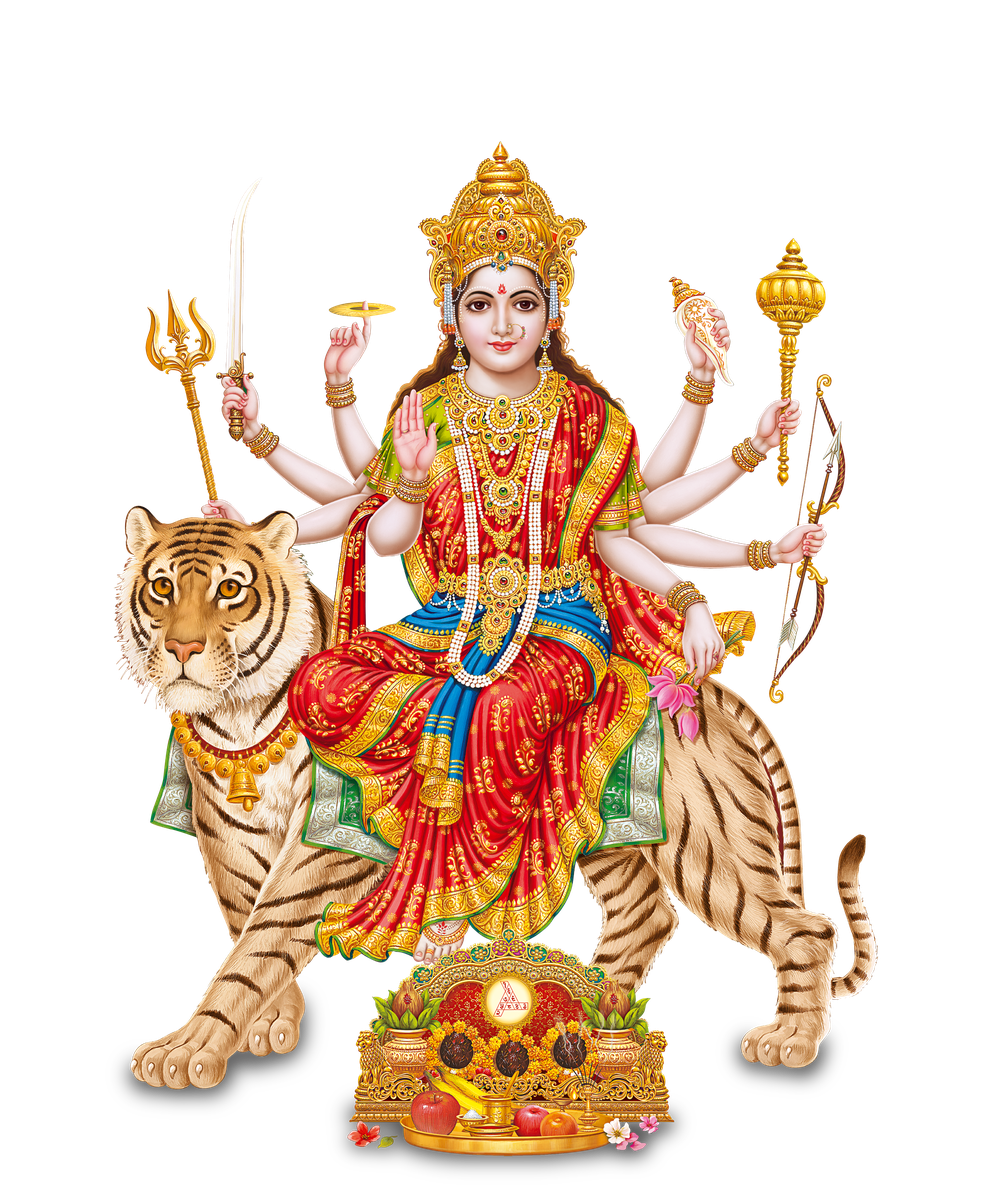
Introduction Navratri is a nine-day festival worshipping the nine forms of Goddess Durga. The Vrat Katha is primarily the story of how the Goddess defeated the buffalo demon, Mahishasura.
Nine-day Navratri vrat, protection, and Shakti blessingsVrat KathaNavratri Vrat Katha — सम्पूर्ण कथा, विधि और सामग्री
नवरात्रि व्रत की सम्पूर्ण मार्गदर्शिका — पारम्परिक कथा पढ़ें, पूजा विधि और सामग्री जानें और माँ दुर्गा के नौ दिवसीय उत्सव की भक्ति परम्परा को समझें।
Navratri devotion, protection, and Shakti blessings