

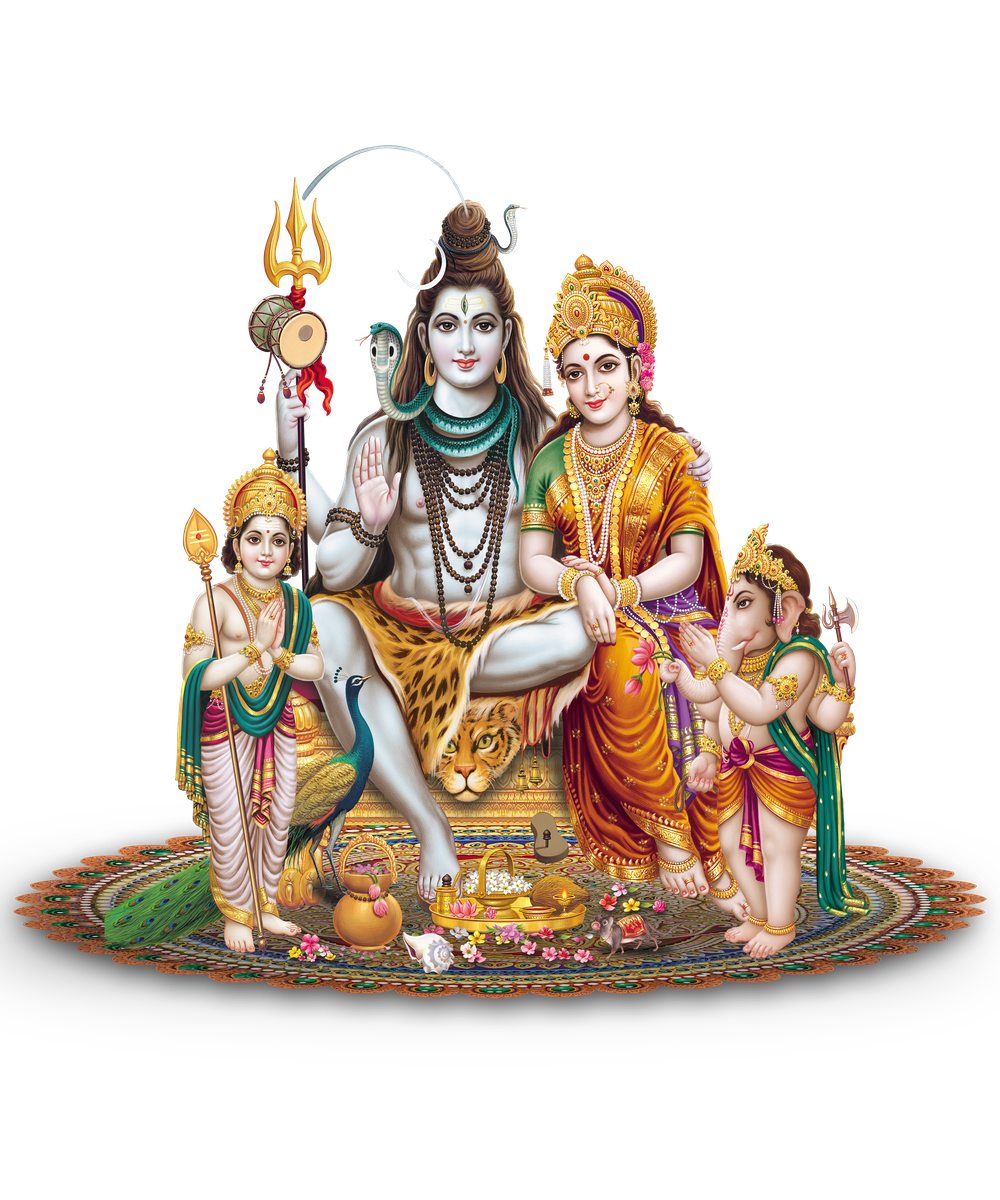
 सोमवती अमावस्या व्रत
Somvati Amavasya Vrat Katha
Introduction Somvati Amavasya is considered a very powerful day for mitigating Pitra Dosh (ancestral curse) and for the long life of one’s husband. Married women observe a fast and circumambulate the Peepal tree 108 times, tying a sacred thread aroun
Introduction Somvati Amavasya is considered a very powerful day for mitigating Pitra Dosh (ancestral curse) and for the long life of one’s husband. Married women observe a fast and circumambulate the Peepal tree 108 times, tying a sacred thread aroun
Introduction Somvati Amavasya is considered a very powerful day for mitigating Pitra Dosh (ancestral curse) and for the long life of one’s husband. Married women observe a fast and circumambulate the Peepal tree 108 times, tying a sacred thread around it.
The Story (Vrat Katha) There was a money lender who had seven sons and one daughter. The daughter was very pious, but a visiting Sage (Sadhu) revealed a harsh truth: “She is destined to become a widow on the very day of her marriage.”
The family was devastated. The Sage offered a solution: “On the island of Singhal, there lives a washerwoman named Soma. She is a chaste and pious woman. If your daughter can serve her and get her blessings (transfer of her merit), the destiny can be changed.”
The youngest brother took his sister to the island. They found Soma’s house. The sister decided to serve Soma secretly. Every morning, before Soma woke up, the girl would clean Soma’s house and finish all the chores. Soma was puzzled about who was doing this work.
One day, Soma caught the girl. The girl wept and explained her destiny. Soma, who was a kind soul, agreed to accompany the girl to her wedding.
On the wedding day, as predicted, the groom died at the altar. However, Soma stepped forward and transferred the merit of her own pious deeds to the groom. Miraculously, the groom came back to life!
However, because Soma had given away all her merit, her own husband and sons died back home. Soma immediately ran back, stopped at a Peepal tree on the way, and worshipped it by circumambulating it 108 times (as it was a Monday Amavasya). She prayed to Lord Vishnu (who resides in the Peepal tree). By the grace of the Somvati Amavasya Vrat, her own family was restored to life when she returned.
Conclusion Since then, women observe this fast, circle the Peepal tree, and give alms to the poor to protect their husbands and seek blessings for their families.
Quick guide
Before you begin
Puja Vidhi
How to perform this puja
Sankalp
Take a vow and state your intention before the Shivalinga or Shiva image.
Abhishek
Perform Rudrabhishek with milk, honey, and water over the Shivalinga.
Bilva Patra
Offer Bilva leaves in sets of 3 — this is the most dear offering to Shiva.
Dhoop-Deep
Light incense and a ghee lamp and wave them in a clockwise arc.
Katha Path
Read or listen to the complete vrat katha.
Om Namah Shivaya
Chant 108 times or as many as possible with full focus.
Aarti
Perform Shiva aarti and distribute prasad.
Samagri
Items for the vrat
Mantra
Shiva mantra
Om Namah Shivaya
Chant with a quiet mind, especially on Monday, Pradosh, or during Shiva puja.
Bhav
Benefits devotees pray for
Care
Mistakes to avoid
FAQ
Common questions
Who should observe the Shiva vrat?
Anyone seeking relief from suffering, marital problems, or ancestral debts (Pitra Dosh) can observe this vrat.
Can the Shiva vrat be broken by water?
Most Shiva vrats allow Panchamrit (milk, curd, honey, ghee, sugar) and water. Full Nirjala fasting is only for Mahashivratri by strict devotees.
What if Bilva leaves are not available?
Shiva is also pleased with Dhatura flowers or even plain water offered with full devotion.
Want this puja performed with your sankalp?
Share your name, gotra if known, and prayer intention. Experienced pandits will guide you toward the right seva.