

 सत्यनारायण व्रत कथा
Satyanarayan Vrat Katha
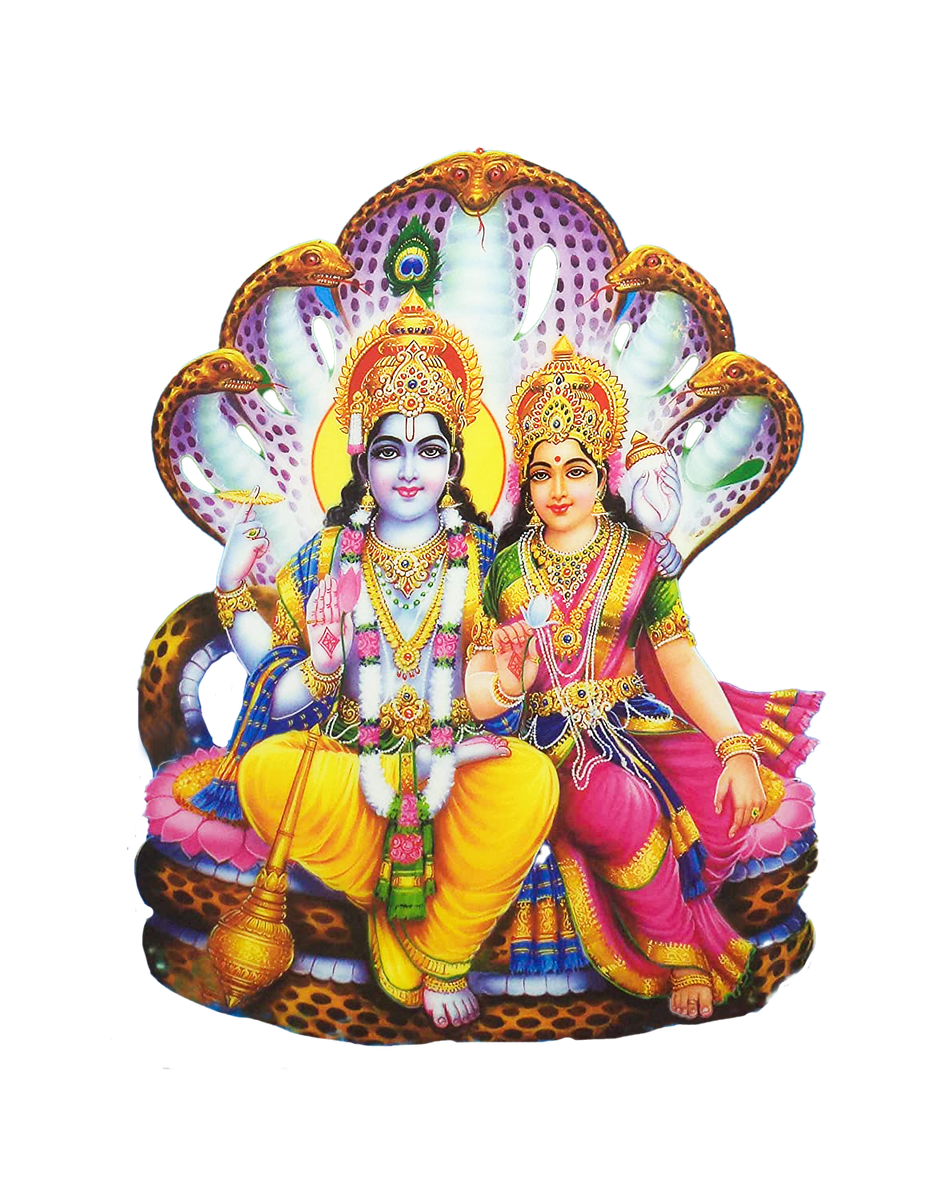
Introduction The Satyanarayan Puja is perhaps the most common ritual performed in Hindu households on Full Moon days (Purnima) or special occasions like housewarmings or weddings. It is the worship of Lord Vishnu in his form as the embodiment of Trut
Introduction The Satyanarayan Puja is perhaps the most common ritual performed in Hindu households on Full Moon days (Purnima) or special occasions like housewarmings or weddings. It is the worship of Lord Vishnu in his form as the embodiment of Trut
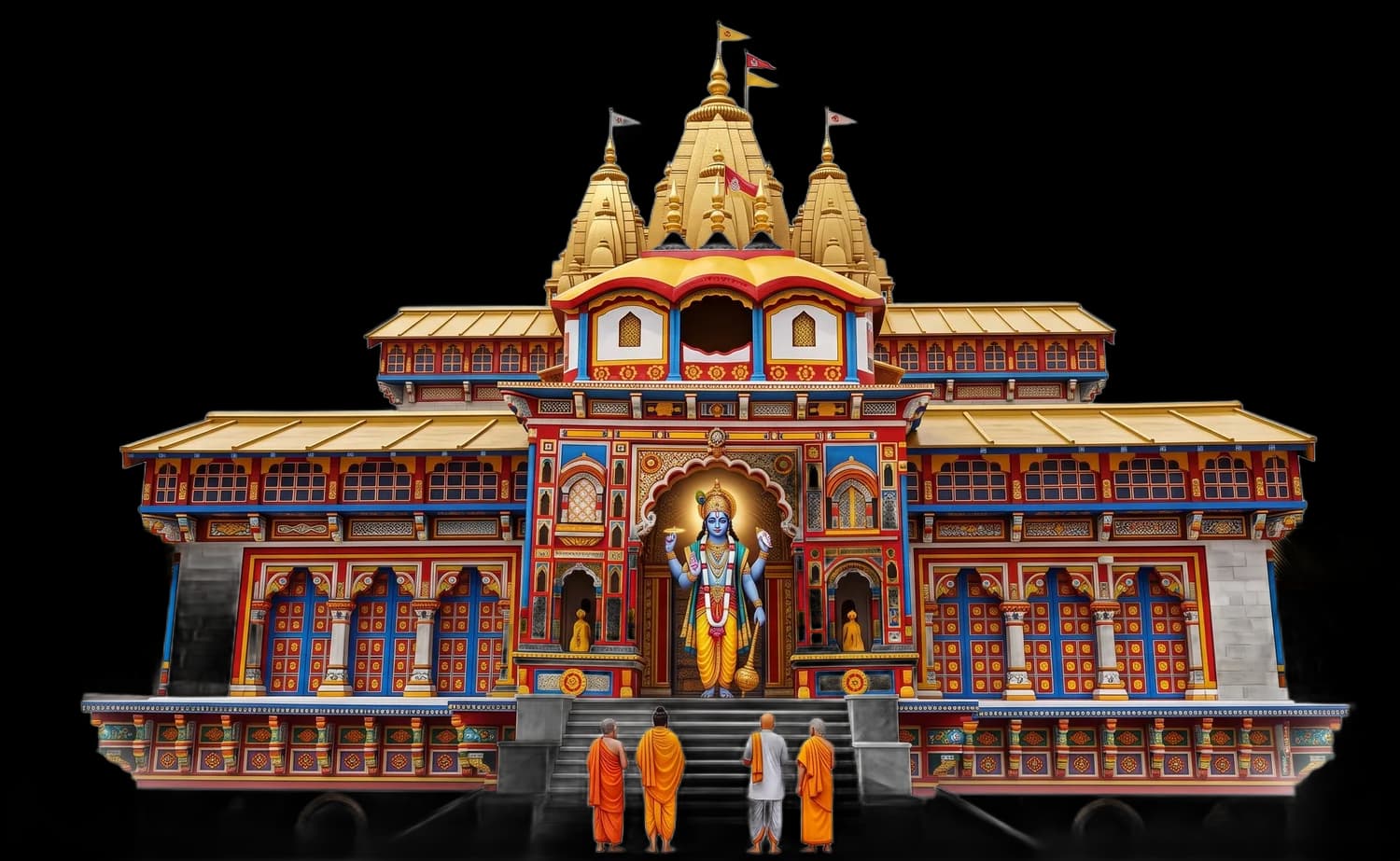
Introduction The Satyanarayan Puja is perhaps the most common ritual performed in Hindu households on Full Moon days (Purnima) or special occasions like housewarmings or weddings. It is the worship of Lord Vishnu in his form as the embodiment of Truth.
The Story (Vrat Katha) The story is divided into several chapters, but the core lesson comes from the story of a poor Brahmin and a wealthy merchant named Sadhu.
Lord Vishnu appeared to a poor Brahmin in Kashi and advised him to perform the Satyanarayan Vrat to end his poverty. The Brahmin did so and became wealthy. Seeing him, a woodcutter also performed the Vrat and became rich.
Later, a merchant named Sadhu vowed to perform the Puja if he was blessed with a child. He had a daughter named Kalavati. However, he delayed the Puja until her marriage. During a business trip, the merchant was falsely accused of theft and imprisoned.
Back home, his wife and daughter performed the Satyanarayan Puja. The Lord ensured the merchant’s release. However, on his way back, the merchant lied to a disguised Lord Vishnu about the cargo in his boat, saying it was just leaves. The Lord made it so, and his gold turned into leaves. Realizing his mistake, the merchant apologized and his wealth was restored.
Finally, when he reached home, his daughter rushed to meet him without taking the Prasad. Her boat began to sink. A voice from the sky told her to take the Prasad first. She did so, and the family was reunited.
Conclusion The Satyanarayan Katha teaches us the importance of Truth (Satya) and keeping one’s promises to God. Neglecting the Prasad or lying leads to misery, while devotion brings salvation.
Quick guide
Before you begin
Puja Vidhi
How to perform this puja
Sankalp
Take a vow and state your prayer intention.
Tulsi Arpan
Begin by offering Tulsi leaves — Vishnu is extremely pleased by Tulsi.
Panchamrit Abhishek
Bathe the idol or Shaligram with Panchamrit.
Yellow Cloth
Dress the idol in yellow cloth.
Katha Path
Read or listen to the complete vrat katha.
Vishnu Sahasranaam
Chant 108 names or the full Sahasranaam if possible.
Aarti
Perform Om Jai Jagdish Hare aarti and distribute prasad.
Samagri
Items for the vrat
Mantra
Vishnu mantra
Om Namo Bhagavate Vasudevaya
Chant before katha or aarti while praying for protection, dharma, and peace.
Bhav
Benefits devotees pray for
Care
Mistakes to avoid
FAQ
Common questions
What is the significance of Ekadashi fasting?
Ekadashi is the most powerful day to please Vishnu. Fasting on this day is believed to remove sins accumulated over many lifetimes.
Can I drink water during Ekadashi?
Yes, water is allowed. Full Nirjala (waterless) Ekadashi is only for the Nirjala Ekadashi in summer — it's the most powerful but optional.
What food is allowed on Ekadashi?
Fruits, milk, nuts, sendha namak, sabudana, and Panchamrit are allowed. Avoid grains, beans, and certain spices.
Want this puja performed with your sankalp?
Share your name, gotra if known, and prayer intention. Experienced pandits will guide you toward the right seva.