
 महालक्ष्मी व्रत कथा
Margashirsha Mahalaxmi Vrat Katha
The Margashirsha Mahalaxmi Vrat is a very auspicious fast observed on Thursdays during the holy month of Margashirsha. It is believed that listening to or reading this story (Katha) brings peace, wealth, and prosperity to the family.
The Margashirsha Mahalaxmi Vrat is a very auspicious fast observed on Thursdays during the holy month of Margashirsha. It is believed that listening to or reading this story (Katha) brings peace, wealth, and prosperity to the family.
Introduction
The Margashirsha Mahalaxmi Vrat is a very auspicious fast observed on Thursdays during the holy month of Margashirsha. It is believed that listening to or reading this story (Katha) brings peace, wealth, and prosperity to the family.
The Story (Vrat Katha)
Long ago, in the land of Saurashtra, there lived a King named Bhadrashravas and his Queen, Surat Chandrika. They were very wealthy and lived a luxurious life. However, the Queen was very proud and arrogant because of her riches.
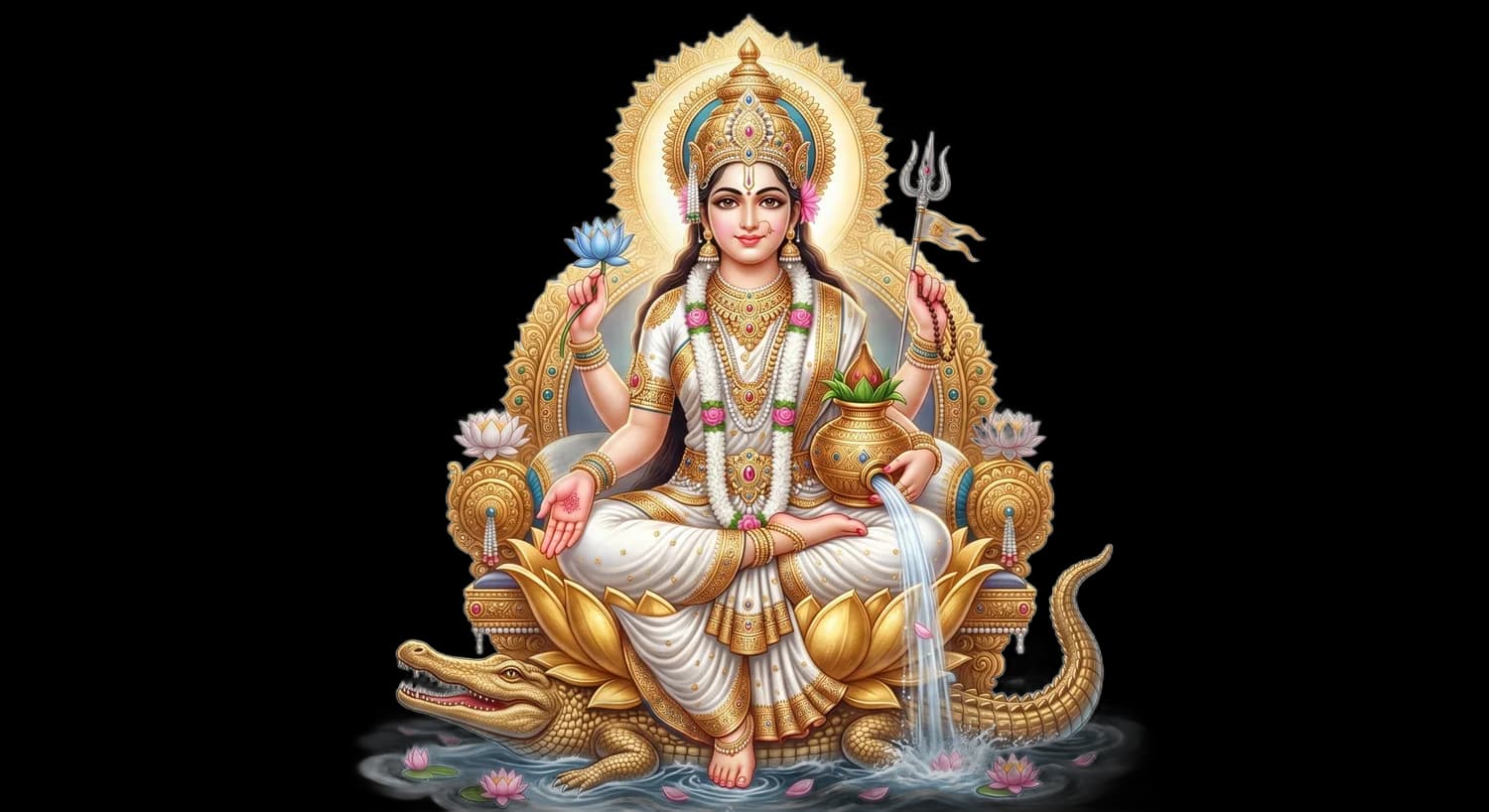
One day, Goddess Lakshmi decided to test the Queen. She disguised herself as an old, frail woman and went to the palace gate.
When the Queen saw the old woman, she became angry. “Why are you here?” she shouted. Instead of offering water or food, the Queen insulted the old woman and drove her away.
However, the King’s daughter, Princess Shambhala, was very kind-hearted. She saw the old woman leaving and ran to her. She spoke to her with respect and offered her food. Pleased by the Princess’s devotion, the old woman (Goddess Lakshmi) taught her the secret of the Margashirsha Mahalaxmi Vrat. She explained how to fast on Thursdays to seek blessings.
The Turn of Fortune Princess Shambala began performing the Vrat with great devotion. Soon after, she was married to a wealthy Prince and went to live in his kingdom. She lived happily and prosperously.
Meanwhile, back in Saurashtra, the King and Queen lost their kingdom and all their wealth because of the Queen’s arrogance. They became very poor and struggled even for food.
The Return of Prosperity Hearing of her daughter’s happiness, the Queen decided to visit Shambala to ask for help. Shambala welcomed her mother warmly and saw her poor condition. She gently reminded her mother about the importance of humility and devotion.
Shambala taught her mother the same Vrat that the old woman had taught her. The Queen realized her mistake. She returned home and performed the Margashirsha Mahalaxmi Vrat faithfully on Thursdays.
Pleased by her true devotion, Goddess Lakshmi forgave her. The King and Queen regained their lost kingdom and wealth, and they lived the rest of their lives in peace and happiness.
Conclusion
This story teaches us that arrogance leads to downfall, while humility and devotion bring the blessings of Goddess Lakshmi.
Quick guide
Before you begin
Puja Vidhi
How to perform this puja
Sankalp
Take a vow — especially on Fridays or Purnima.
Lotus Flowers
Offer lotus flowers or marigold to Goddess Lakshmi.
Panchamrit
Bathe the idol with panchamrit.
Gold Coin
Keep a gold or silver coin near the idol as a symbol of abundance.
Katha Path
Read or listen to the complete vrat katha.
Lakshmi Mantra
Chant Om Shreem Mahalakshmiyai Namah 108 times.
Aarti
Perform Om Jai Lakshmi Mata aarti and distribute kheel-batashe prasad.
Samagri
Items for the vrat
Mantra
Lakshmi mantra
Om Shreem Mahalakshmyai Namah
Chant on Friday or during Lakshmi puja for prosperity, grace, and sattvic abundance.
Bhav
Benefits devotees pray for
Care
Mistakes to avoid
FAQ
Common questions
Why does Lakshmi leave homes that are unclean?
Lakshmi is the Goddess of order and auspiciousness — she is said to reside where there is cleanliness, prayer, and gratitude.
When is the best time to begin the Lakshmi vrat?
The most auspicious start is Diwali or any Purnima (full moon).
Can unmarried women observe this vrat?
Yes, unmarried women observe it to invite prosperity and a good life partner.
Want this puja performed with your sankalp?
Share your name, gotra if known, and prayer intention. Experienced pandits will guide you toward the right seva.