
 वट सावित्री व्रत कथा
Vat Savitri Vrat Katha
Introduction Vat Savitri is observed on the Amavasya (New Moon) or Purnima (Full Moon) of Jyeshtha month. Married women tie a sacred thread around a Banyan (Vat) tree, praying for their husband’s long life. The Banyan tree represents the Trinity (Bra
Introduction Vat Savitri is observed on the Amavasya (New Moon) or Purnima (Full Moon) of Jyeshtha month. Married women tie a sacred thread around a Banyan (Vat) tree, praying for their husband’s long life. The Banyan tree represents the Trinity (Bra
Introduction Vat Savitri is observed on the Amavasya (New Moon) or Purnima (Full Moon) of Jyeshtha month. Married women tie a sacred thread around a Banyan (Vat) tree, praying for their husband’s long life. The Banyan tree represents the Trinity (Brahma, Vishnu, Shiva).
The Story (Vrat Katha) Savitri was the daughter of a King. She chose Satyavan as her husband, even though he was a woodcutter living in the forest and was destined to die in one year.
On the predicted day of his death, Savitri accompanied Satyavan to the forest. While cutting wood, Satyavan felt dizzy and fainted. Lord Yama, the God of Death, arrived to take Satyavan’s soul.
Savitri followed Yama. Yama tried to send her back, but she refused, saying a wife’s place is with her husband. Impressed by her wisdom and devotion, Yama offered her three boons—but forbade her from asking for Satyavan’s life.
- For her first boon, she asked for eyesight for her blind father-in-law. Granted.
- For her second, she asked for her father-in-law’s lost kingdom. Granted.
- For her third, she cleverly asked: “Lord, grant me a hundred sons.”
Yama said, “Tathastu” (So be it). Then he realized his mistake—Savitri could not have sons without her husband! Bound by his own word, Yama had to release Satyavan’s soul. Satyavan woke up under the Banyan tree as if from a deep sleep.
Conclusion The Banyan tree is worshipped because this event took place under its shade. This story symbolizes that a devoted wife can conquer even death for her husband.
Quick guide
Before you begin
Puja Vidhi
How to perform this puja
Sankalp
Take a vow and state your prayer intention.
Tulsi Arpan
Begin by offering Tulsi leaves — Vishnu is extremely pleased by Tulsi.
Panchamrit Abhishek
Bathe the idol or Shaligram with Panchamrit.
Yellow Cloth
Dress the idol in yellow cloth.
Katha Path
Read or listen to the complete vrat katha.
Vishnu Sahasranaam
Chant 108 names or the full Sahasranaam if possible.
Aarti
Perform Om Jai Jagdish Hare aarti and distribute prasad.
Samagri
Items for the vrat
Mantra
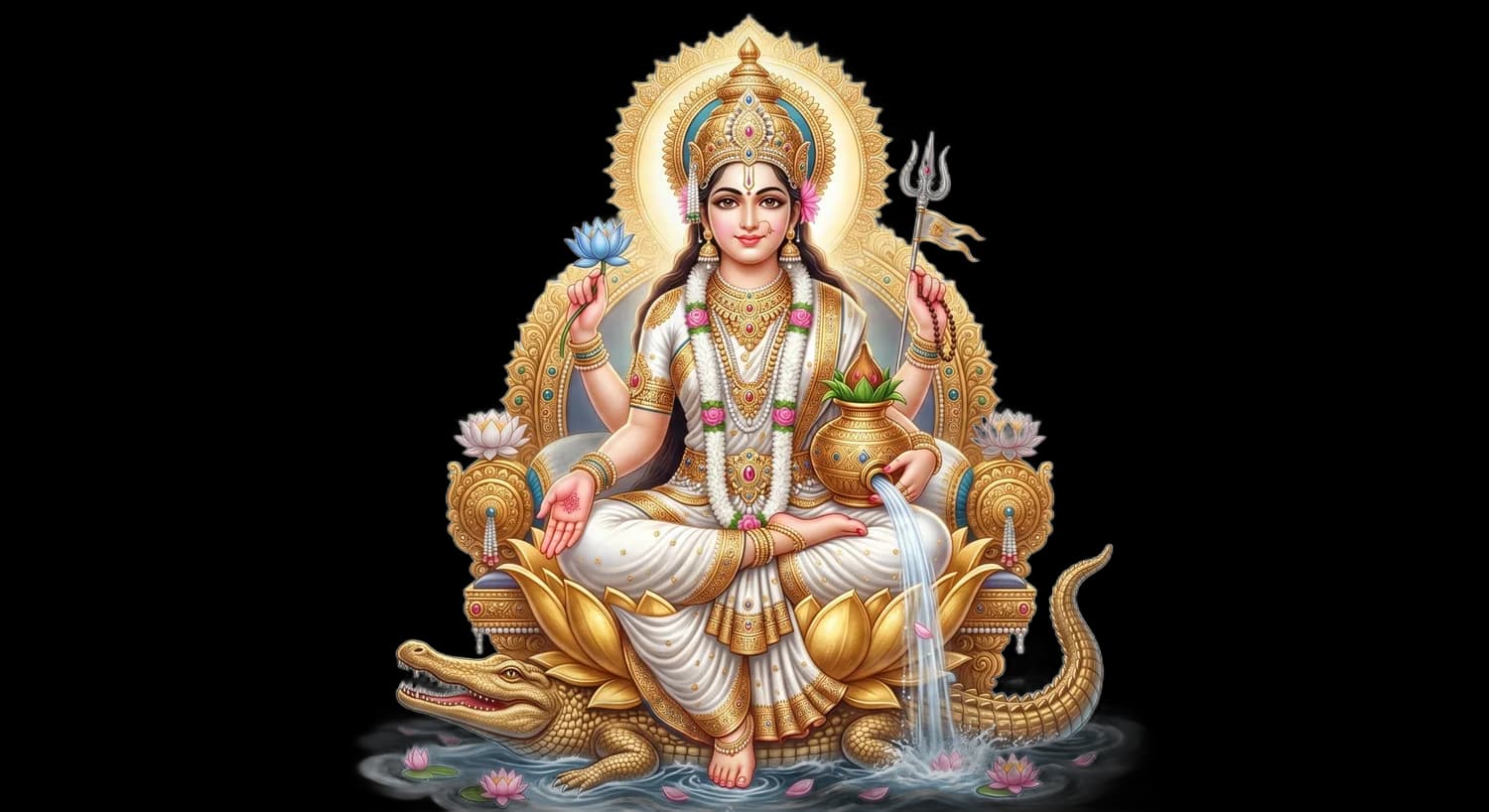
Savitri mantra
Om Savitryai Namah
Chant while praying for marital strength, long life, and dharmic commitment.
Bhav
Benefits devotees pray for
Care
Mistakes to avoid
FAQ
Common questions
What is the significance of Ekadashi fasting?
Ekadashi is the most powerful day to please Vishnu. Fasting on this day is believed to remove sins accumulated over many lifetimes.
Can I drink water during Ekadashi?
Yes, water is allowed. Full Nirjala (waterless) Ekadashi is only for the Nirjala Ekadashi in summer — it's the most powerful but optional.
What food is allowed on Ekadashi?
Fruits, milk, nuts, sendha namak, sabudana, and Panchamrit are allowed. Avoid grains, beans, and certain spices.
Want this puja performed with your sankalp?
Share your name, gotra if known, and prayer intention. Experienced pandits will guide you toward the right seva.