
 उत्पन्ना एकादशी व्रत कथा
Utpanna Ekadashi Vrat Katha (The Origin Story)
Introduction: Ekadashi is considered the “King of all Fasts.” While there are 24 Ekadashis in a year, the Utpanna Ekadashi is significant because it marks the birth (Utpatti) of the Goddess Ekadashi herself. It usually falls in November or December.
Introduction: Ekadashi is considered the “King of all Fasts.” While there are 24 Ekadashis in a year, the Utpanna Ekadashi is significant because it marks the birth (Utpatti) of the Goddess Ekadashi herself. It usually falls in November or December.
Introduction: Ekadashi is considered the “King of all Fasts.” While there are 24 Ekadashis in a year, the Utpanna Ekadashi is significant because it marks the birth (Utpatti) of the Goddess Ekadashi herself. It usually falls in November or December.
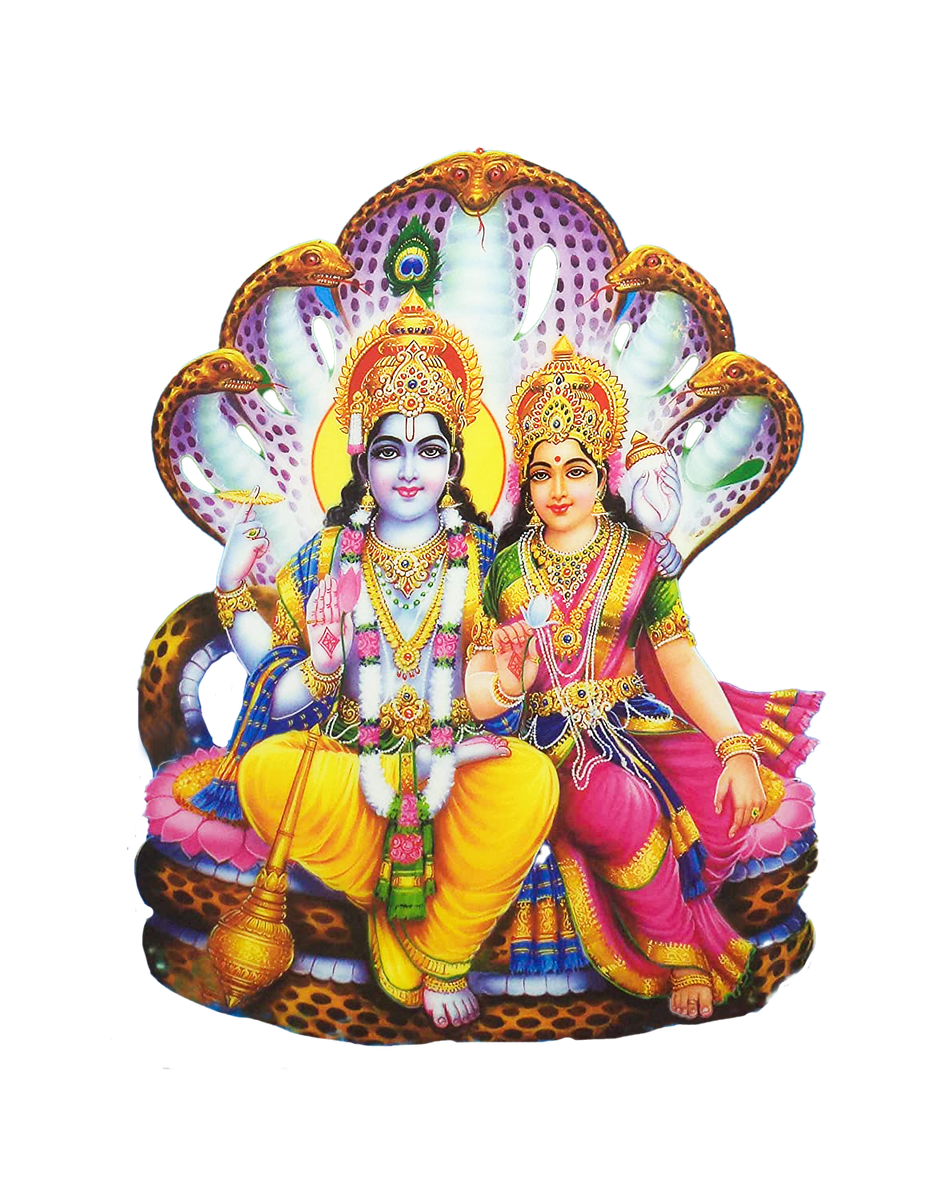
The Story (Vrat Katha) In the Satya Yuga, there was a terrifying demon named Mura. He defeated Lord Indra and all the Devas, taking over the heavens. The helpless Devas went to Lord Vishnu for help.
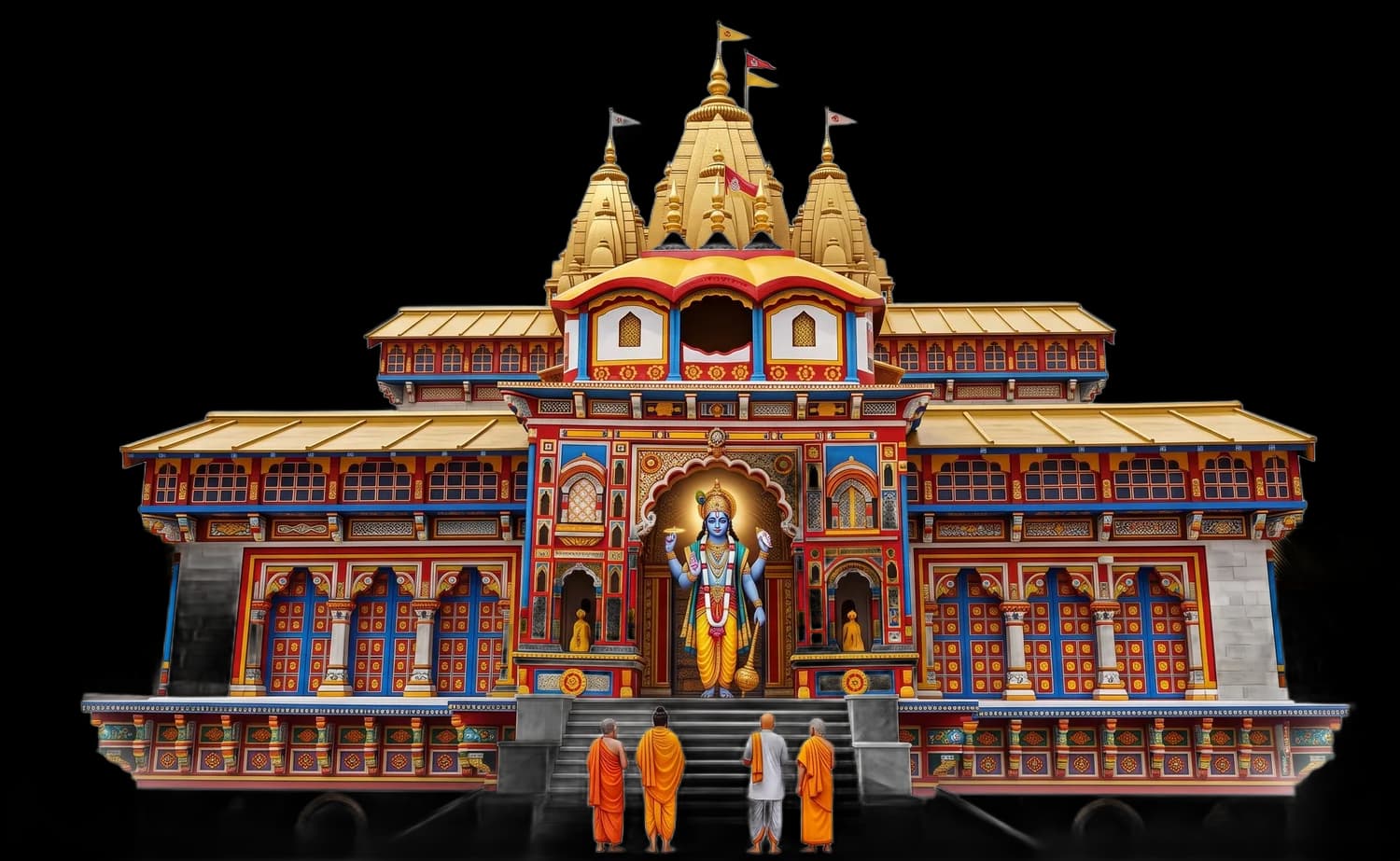
Lord Vishnu fought Mura and his army for a thousand years. While Mura was powerful, Vishnu decided to change his strategy. He went to a cave in the Himalayas named Badrikashram to rest and sleep.
Mura chased him and found Vishnu sleeping in the cave. Thinking this was his chance, Mura raised his weapon to kill the sleeping Lord.
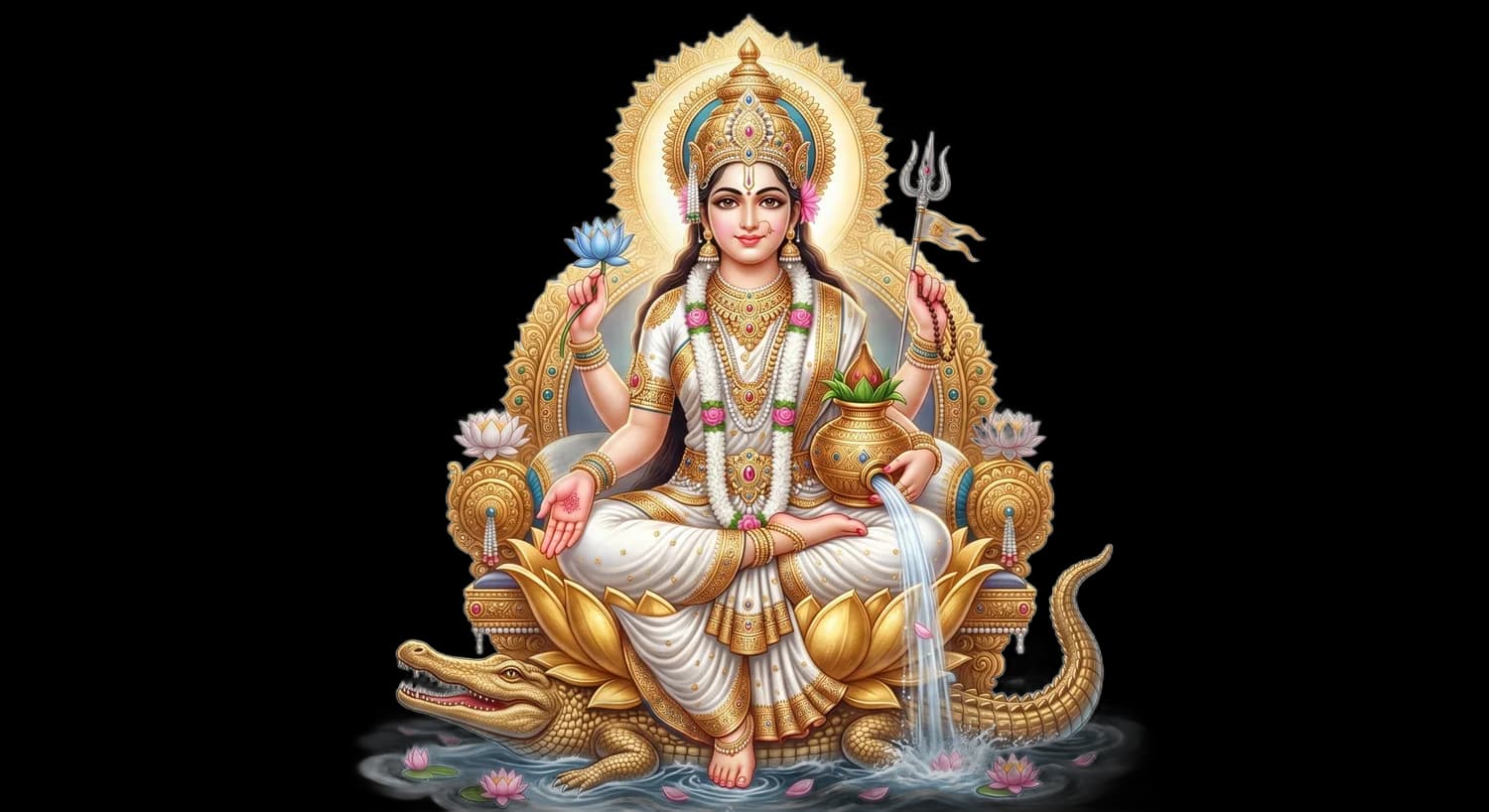
Suddenly, a beautiful and powerful energy manifested from Lord Vishnu’s body in the form of a Goddess. She challenged Mura and fought him with great valor. Her roar alone shattered the demon, and she killed him instantly.
When Lord Vishnu woke up, he was surprised to see the demon dead. The Goddess bowed to him and explained what happened. Pleased, Lord Vishnu named her Ekadashi (as she was born on the 11th day). He blessed her, saying, “Anyone who worships you and fasts on this day will be cleansed of all sins and attain Moksha (salvation).”
Conclusion: Since that day, the tradition of fasting on Ekadashi has continued. It is believed that this fast destroys the sins of past lives and grants the devotee a place in Vaikuntha (Lord Vishnu’s abode).
Quick guide
Before you begin
Puja Vidhi
How to perform this puja
Sankalp
Take a vow and state your prayer intention.
Tulsi Arpan
Begin by offering Tulsi leaves — Vishnu is extremely pleased by Tulsi.
Panchamrit Abhishek
Bathe the idol or Shaligram with Panchamrit.
Yellow Cloth
Dress the idol in yellow cloth.
Katha Path
Read or listen to the complete vrat katha.
Vishnu Sahasranaam
Chant 108 names or the full Sahasranaam if possible.
Aarti
Perform Om Jai Jagdish Hare aarti and distribute prasad.
Samagri
Items for the vrat
Mantra
Vishnu mantra
Om Namo Bhagavate Vasudevaya
Chant before katha or aarti while praying for protection, dharma, and peace.
Bhav
Benefits devotees pray for
Care
Mistakes to avoid
FAQ
Common questions
What is the significance of Ekadashi fasting?
Ekadashi is the most powerful day to please Vishnu. Fasting on this day is believed to remove sins accumulated over many lifetimes.
Can I drink water during Ekadashi?
Yes, water is allowed. Full Nirjala (waterless) Ekadashi is only for the Nirjala Ekadashi in summer — it's the most powerful but optional.
What food is allowed on Ekadashi?
Fruits, milk, nuts, sendha namak, sabudana, and Panchamrit are allowed. Avoid grains, beans, and certain spices.
Want this puja performed with your sankalp?
Share your name, gotra if known, and prayer intention. Experienced pandits will guide you toward the right seva.