
 श्री राम मंत्र
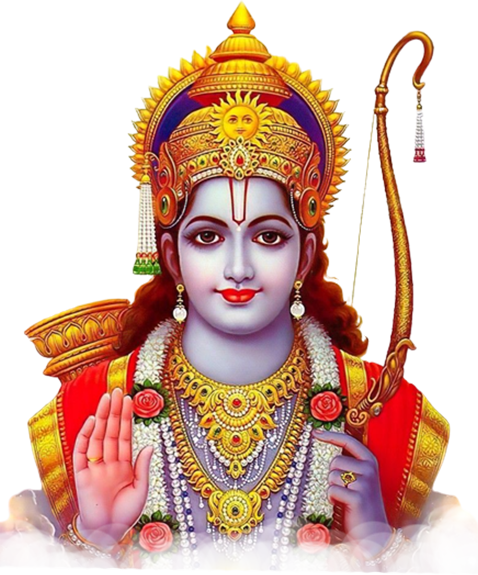
The Most Powerful Rama Mantra by Tulsidas
Technically a Stuti (hymn of praise) from the Vinaya Patrika by Tulsidas, this is widely performed as an Aarti. It is essential for Ram Navami and for seeking strength, righteousness (Dharma), and protection from fear (Bhava Bhaya Harunam).
Technically a Stuti (hymn of praise) from the Vinaya Patrika by Tulsidas, this is widely performed as an Aarti. It is essential for Ram Navami and for seeking strength, righteousness (Dharma), and protection from fear (Bhava Bhaya Harunam).
Article
Why the Aarti is Essential & For What?
Technically a Stuti (hymn of praise) from the Vinaya Patrika by Tulsidas, this is widely performed as an Aarti. It is essential for Ram Navami and for seeking strength, righteousness (Dharma), and protection from fear (Bhava Bhaya Harunam).
Katha
Simple Steps to Perform the Aarti
• Select a clean, distraction-free spot. • Light a diya (lamp) and incense sticks. • Offer fresh flowers to the idol or picture. • This is usually recited with a steady, marching rhythm. • Light camphor (Kapoor) for this Aarti, as it leaves no residue, symbolizing total surrender to Rama. • Often followed by the chant “Siyavar Ramchandra Ki Jai”
Katha
Aarti: Full Text with Transliteration and Meaning
श्रीरामचन्द्र कृपालु भजु मन, हरण भवभय दारुणं Shri Ramchandra Kripalu Bhajman, Haran Bhavabhaya Darunam Meaning: O Mind, worship the compassionate Rama, who removes the terrible fear of life/death.
नवकंज-लोचन, कंज-मुख, कर-कंज, पद कंजारुणं Navakanj-Lochan, Kanj-Mukh, Kar-Kanj, Pad Kanjarunam Meaning: His eyes, face, hands, and feet are like new blooming lotuses.
कंदर्प अगणित अमित छवि, नवनील-नीरद सुन्दरं Kandarp Aganit Amit Chhavi, Navaneel-Neerad Sundaram Meaning: His beauty exceeds countless Cupids; he is like a fresh blue raincloud.
पट पीत मानहु तडित रुचि शुचि, नौमि जनक सुतावरं Pat Peet Manahu Tadit Ruchi Shuchi, Naumi Janak Sutavaram Meaning: His yellow robes flash like lightning; I bow to the husband of Sita.
भजु दीनबंधु दिनेश दानव-दैत्यवंश-निकंदनं Bhaju Deenbandhu Dinesh Danav-Daityavansh-Nikandanam Meaning: Worship the friend of the poor, the Sun of the solar race, destroyer of demons.
रघुनंद आनंदकंद कौशलचंद दशरथ-नन्दनं Raghunand Anandkand Kaushalchand Dashrath-Nandanam Meaning: Scion of Raghu, root of joy, moon of Kosala, son of Dasharatha.
इति वदति तुलसीदास शंकर-शेष-मुनि-मन-रंजनं Iti Vadati Tulsidas Shankar-Shesh-Muni-Man-Ranjanam Meaning: Tulsidas says: He delights the minds of Shiva, Shesha (snake), and Sages.
Katha
Dos and Don’ts for a Respectful Aarti
- Do: Maintain a posture of uprightness and discipline while singing, reflecting Rama’s character (“Maryada Purushottam”). Ensure the words are pronounced clearly; Sanskrit-heavy Hindi requires precision.
- Don’t: Do not perform this Aarti in a somber mood.
Katha
Mythological Anchor of The phrase “Shankar-Shesh-Muni-Man-Ranjanam”
The phrase “Shankar-Shesh-Muni-Man-Ranjanam” highlights that even Lord Shiva (the greatest Yogi) and Shesha (the cosmic serpent) find their joy in meditating upon Rama.
Katha
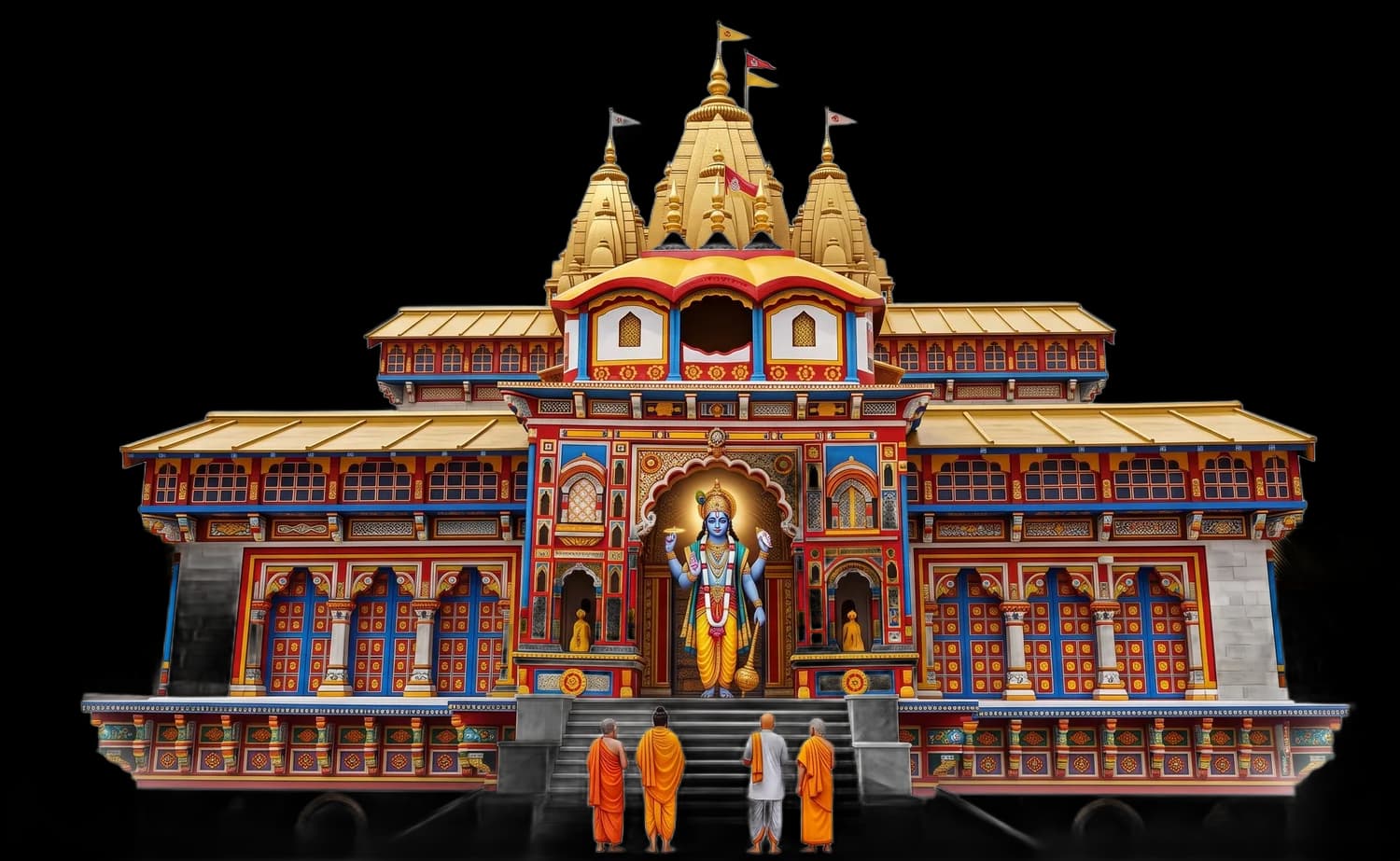
Famous Temple Ram Janmabhoomi Temple, Ayodhya.
The Ram Janmabhoomi Temple in Ayodhya, Uttar Pradesh, is a monumental Hindu shrine built at the sacred birthplace of Lord Rama. Inaugurated on January 22, 2024, this architectural marvel is constructed in the traditional Nagara style using pink sandstone, entirely without the use of iron or steel to ensure longevity. The main deity, Ram Lalla (the infant Lord Rama), is a 51-inch black stone idol sculpted by Arun Yogiraj. A unique feature of the temple is the Surya Tilak mechanism, scientifically designed to direct a beam of sunlight onto the deity’s forehead every year on Ram Navami.
Katha
One-Line Takeaway
A poetic masterpiece to invoke courage, grace, and the removal of fear.
Quick guide
Before you begin
Mantra
Tulsi Mata mantra
Om Tulasyai Namah
Chant near the Tulsi plant with a lamp, water offering, and sincere devotion.
Bhav
Benefits devotees pray for
FAQ
Common questions
What is the difference between Ram Navami and the daily Ram vrat?
Ram Navami is the biggest festival — a full day fast. The daily vrat is lighter, with just prayer and Tulsi offering.
Should I read Ramayan or just the katha?
Reading any portion of the Ramayan — even one Chaupai — is auspicious. The vrat katha is a condensed version.
Can this vrat be done by women for their husbands?
Yes — the Ram vrat is observed by both men and women for family protection, courage, and a righteous life.
Want this puja performed with your sankalp?
Share your name, gotra if known, and prayer intention. Experienced pandits will guide you toward the right seva.