 सोलह सोमवार व्रत कथा
Solah Somvar Vrat Katha (16 Mondays Fast)
Introduction: The Solah Somvar Vrat (16 Mondays Fast) is one of the most powerful fasts in Hinduism, dedicated to Lord Shiva. It is believed that observing this fast with a pure heart can fulfill any wish, especially regarding marriage and health.
Introduction: The Solah Somvar Vrat (16 Mondays Fast) is one of the most powerful fasts in Hinduism, dedicated to Lord Shiva. It is believed that observing this fast with a pure heart can fulfill any wish, especially regarding marriage and health.
Introduction: The Solah Somvar Vrat (16 Mondays Fast) is one of the most powerful fasts in Hinduism, dedicated to Lord Shiva. It is believed that observing this fast with a pure heart can fulfill any wish, especially regarding marriage and health.
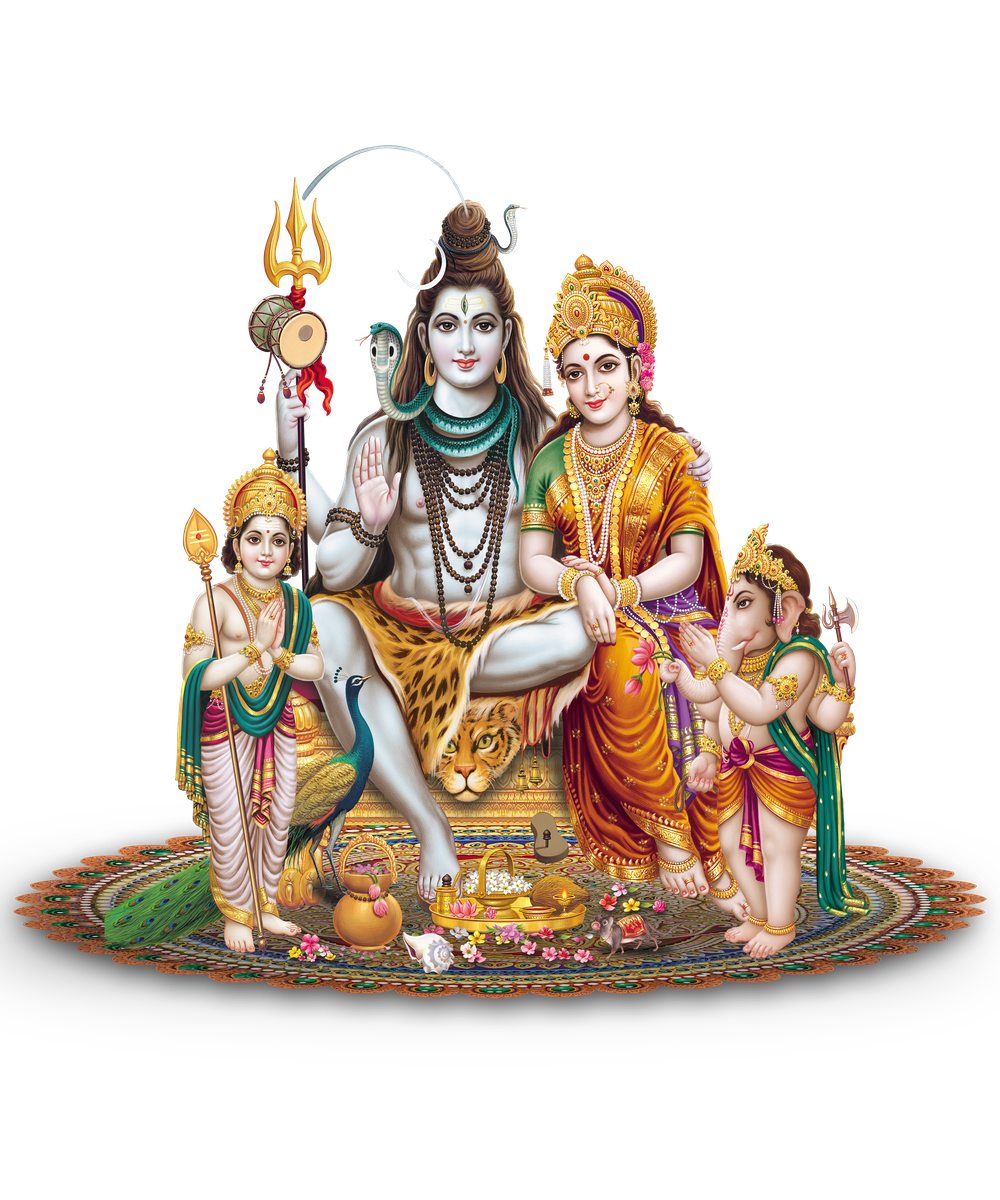
The Story (Vrat Katha) Once, Lord Shiva and Goddess Parvati visited the beautiful city of Amravati. They decided to stay in a Shiva temple. To pass the time, they started playing a game of dice (Chausar).
Goddess Parvati asked the temple priest, “Who do you think will win this game?” The priest, without thinking, said, “Lord Shiva will win.” However, when the game ended, Goddess Parvati won. Angry at the priest’s lie, she cursed him to become a leper.
The priest suffered greatly. Years later, some celestial nymphs (Apsaras) visited the temple and saw the suffering priest. They advised him to observe the Solah Somvar Vrat (16 Mondays Fast). They explained the procedure: fast on Mondays, listen to the Katha, and offer Prasaad (Churma) to Lord Shiva.
The priest followed the rituals with devotion for 16 Mondays. On the 17th Monday, he performed the closing ceremony (Udyapan). Lord Shiva was pleased, and the priest was cured of leprosy.
Later, Goddess Parvati returned and was surprised to see the priest healthy. He told her about the power of the Solah Somvar Vrat. Impressed, Parvati Mata also observed the fast to win back her son Kartikeya, who had gone away. Her wish was granted.
Conclusion: The story spread far and wide. It teaches us that anyone who observes the Solah Somvar Vrat with faith will see their impossible wishes become reality through the blessings of Lord Shiva.
Quick guide
Before you begin
Puja Vidhi
How to perform this puja
Sankalp
Take a vow and state your intention before the Shivalinga or Shiva image.
Abhishek
Perform Rudrabhishek with milk, honey, and water over the Shivalinga.
Bilva Patra
Offer Bilva leaves in sets of 3 — this is the most dear offering to Shiva.
Dhoop-Deep
Light incense and a ghee lamp and wave them in a clockwise arc.
Katha Path
Read or listen to the complete vrat katha.
Om Namah Shivaya
Chant 108 times or as many as possible with full focus.
Aarti
Perform Shiva aarti and distribute prasad.
Samagri
Items for the vrat
Mantra
Shiva mantra
Om Namah Shivaya
Chant with a quiet mind, especially on Monday, Pradosh, or during Shiva puja.
Bhav
Benefits devotees pray for
Care
Mistakes to avoid
FAQ
Common questions
Who should observe the Shiva vrat?
Anyone seeking relief from suffering, marital problems, or ancestral debts (Pitra Dosh) can observe this vrat.
Can the Shiva vrat be broken by water?
Most Shiva vrats allow Panchamrit (milk, curd, honey, ghee, sugar) and water. Full Nirjala fasting is only for Mahashivratri by strict devotees.
What if Bilva leaves are not available?
Shiva is also pleased with Dhatura flowers or even plain water offered with full devotion.
Want this puja performed with your sankalp?
Share your name, gotra if known, and prayer intention. Experienced pandits will guide you toward the right seva.