

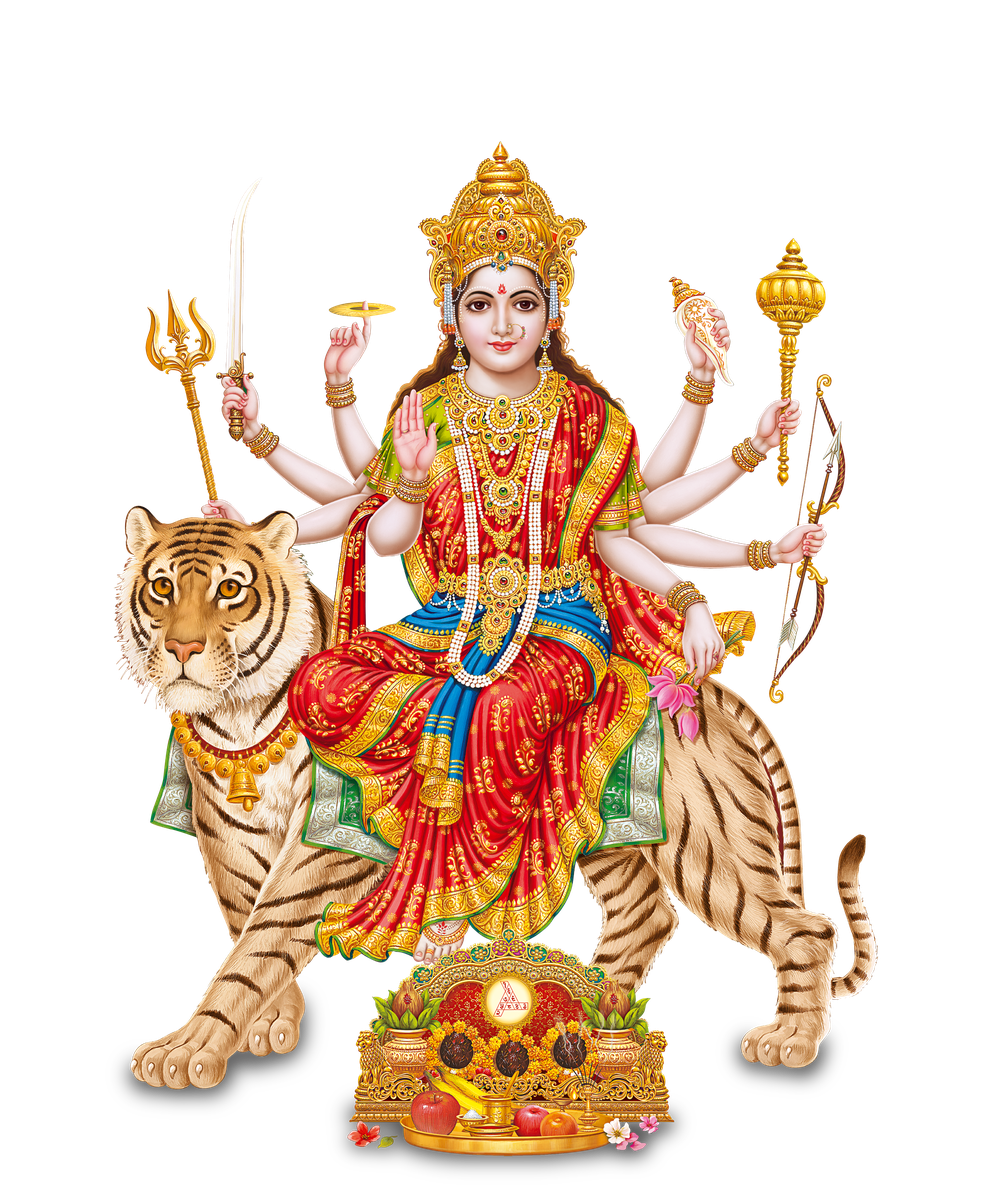
 संतोषी माता व्रत कथा
Santoshi Mata Vrat Katha (Friday Fast)
Introduction: The Santoshi Mata Vrat is observed on 16 consecutive Fridays. It is widely performed by women for the well-being of their husbands and family harmony. The most important rule is to avoid eating or touching anything sour (like lemon or t
Introduction: The Santoshi Mata Vrat is observed on 16 consecutive Fridays. It is widely performed by women for the well-being of their husbands and family harmony. The most important rule is to avoid eating or touching anything sour (like lemon or t
Introduction: The Santoshi Mata Vrat is observed on 16 consecutive Fridays. It is widely performed by women for the well-being of their husbands and family harmony. The most important rule is to avoid eating or touching anything sour (like lemon or tamarind) on this day.
The Story (Vrat Katha) There was an old woman who had seven sons. While the six elder sons were hardworking, the youngest son was unemployed and innocent. The old woman fed the elder sons delicious food, but gave the youngest son their leftovers.
One day, the youngest son realised this partiality and left home to seek his fortune. He worked hard in a distant land and became very wealthy. Meanwhile, his wife was left behind and treated very badly by her in-laws. She was made to cut wood and given only bread and water.
One Friday, the wife saw some women worshipping a Goddess. She asked them about it, and they explained the Santoshi Mata Vrat. They told her to offer Gur-Chana (Jaggery and Chickpeas) and avoid sour foods.
She began the fast with devotion. Soon, her husband returned with immense wealth. They set up a separate household. However, during the Udyapan (closing ceremony), her jealous sisters-in-law tricked her by putting lemon juice in the food served to the guests.
The Goddess was angered, and the King’s soldiers arrested the husband. The wife realised the mistake, rushed to the temple, and begged for forgiveness, promising to do the Vrat again properly. Santoshi Mata forgave her. Her husband was released, and they lived happily ever after.
Conclusion This story reminds us that Goddess Santoshi loves simplicity and devotion. Avoiding sour things and offering simple Gur-Chana with a pure heart brings peace and satisfaction (Santosh).
Quick guide
Before you begin
Puja Vidhi
How to perform this puja
Sankalp
Take a vow of intent — state your name, gotra if known, and the purpose of the fast.
Ganesh Puja
Begin by invoking Ganesh Ji to remove obstacles from the puja.
Dhyana
Meditate on the form of Maa Durga — nine forms for Navratri, or her specific form for the vrat.
Puja Vidhi
Offer flowers, kumkum, sindoor, chunri, and sweets to the Devi with devotion.
Katha Path
Read or listen to the complete vrat katha.
Aarti
Perform Jai Ambe Gauri aarti with a lit lamp.
Prasad Vitran
Distribute prasad to family and neighbours.
Samagri
Items for the vrat
Mantra
Santoshi Mata mantra
Om Shri Santoshi Matayai Namah
Chant on Friday or during the vrat with a calm and grateful heart.
Bhav
Benefits devotees pray for
Care
Mistakes to avoid
FAQ
Common questions
Can men also observe the Navratri vrat?
Yes, anyone can observe the Navratri vrat — it is open to all devotees regardless of gender.
What can I eat during the vrat?
During Navratri fasting, you can eat fruits, sabudana, singhare ka atta, sendha namak, and milk products.
What if I cannot fast for all 9 days?
You can observe the vrat on just the first and last day (Pratipada and Navami) — this is also considered complete.
Want this puja performed with your sankalp?
Share your name, gotra if known, and prayer intention. Experienced pandits will guide you toward the right seva.