
 संकष्टी चतुर्थी व्रत
Sankashti Chaturthi Vrat Katha
Introduction Sankashti Chaturthi is observed on the fourth day after the full moon every month. “Sankashti” means deliverance during troubled times. Devotees fast from sunrise until moonrise. It is believed that Lord Ganesha removes all obstacles (Vi
Introduction Sankashti Chaturthi is observed on the fourth day after the full moon every month. “Sankashti” means deliverance during troubled times. Devotees fast from sunrise until moonrise. It is believed that Lord Ganesha removes all obstacles (Vi
Introduction Sankashti Chaturthi is observed on the fourth day after the full moon every month. “Sankashti” means deliverance during troubled times. Devotees fast from sunrise until moonrise. It is believed that Lord Ganesha removes all obstacles (Vighna) for those who observe this fast.
The Story (Vrat Katha) There are many stories associated with this Vrat, but the story of the Old Blind Woman is very popular.
Once, there was an old woman who was a great devotee of Lord Ganesha. She was blind, poor, and had no children to look after her. Despite her struggles, she worshipped Ganesha every day.
Pleased by her devotion, Lord Ganesha appeared before her and said, “Ask for a boon, old mother. I shall grant whatever you wish.”
The woman was confused. She didn’t know whether to ask for eyesight, wealth, or a son. She asked Ganesha for some time to think. She went to her son and daughter-in-law for advice. Her son said, “Ask for wealth.” Her daughter-in-law said, “Ask for a grandson.” The woman thought to herself, “If I ask for these, I will still be blind.”
The next day, the clever old woman said to Lord Ganesha: “Oh Lord, if you wish to bless me, please grant me this wish: May I see my grandson eating milk and rice from a golden bowl.“
Lord Ganesha smiled at her wisdom. By asking for this single wish, she had asked for:
- Eyesight (to see the grandson).
- Wealth (the golden bowl).
- Family/Progeny (the grandson).
- Health (eating milk and rice).
Ganesha said, “So be it,” and disappeared. The woman’s vision returned, her family became wealthy, and she soon had a grandson.
Conclusion: This story teaches us that worshipping Lord Ganesha with a pure heart brings wisdom and fulfils all material and spiritual desires.
Quick guide
Before you begin
Puja Vidhi
How to perform this puja
Sankalp
State your vow and intention before Ganesha.
Sthapana
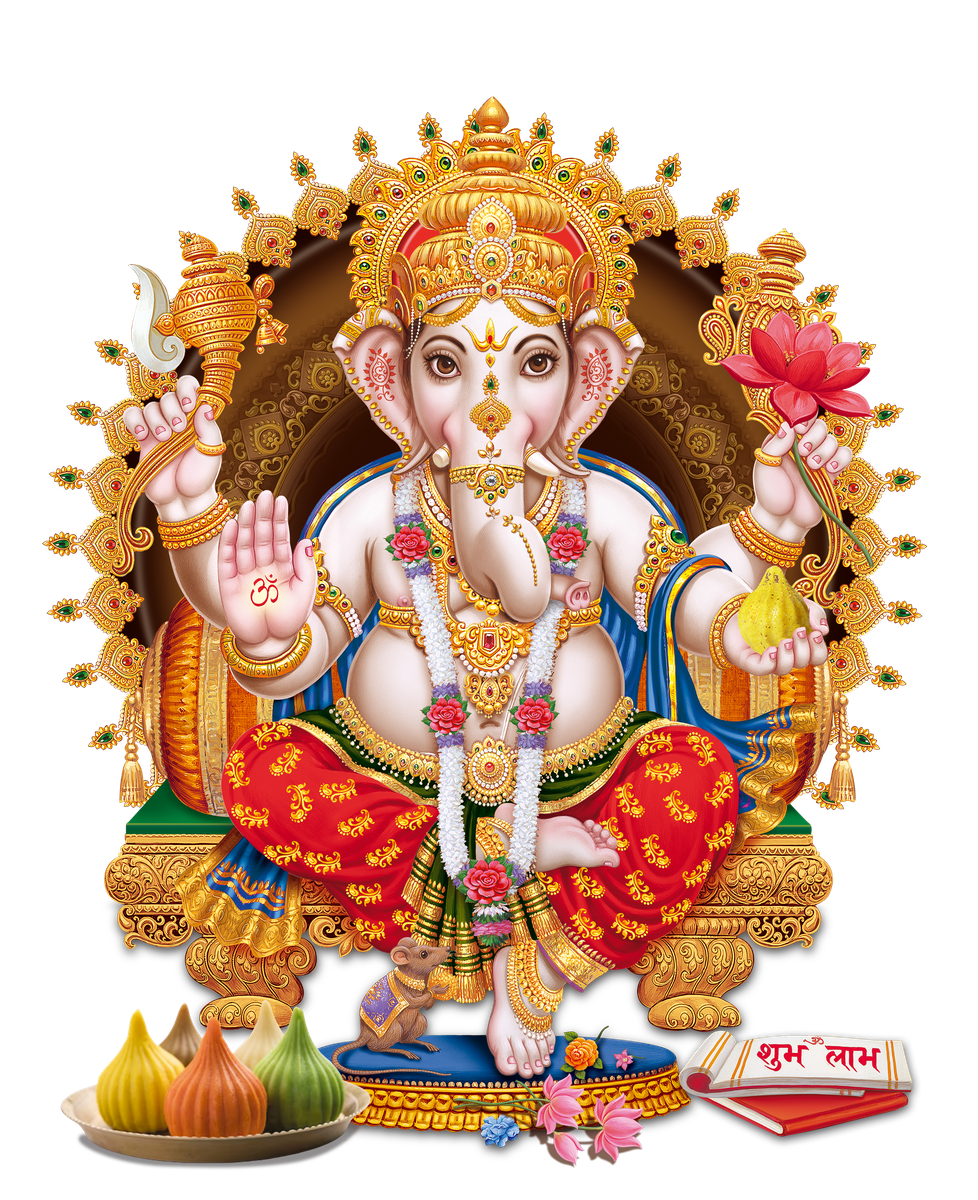
Place a clean Ganesha idol or image on a red cloth.
Panchamrit Snan
Bathe the idol with milk, curd, honey, ghee, and sugar water.
Durva Arpan
Offer 21 blades of durva grass — this is the most auspicious offering for Ganesha.
Katha Path
Read or listen to the complete vrat katha.
Modak Bhog
Offer modak or laddoo as bhog.
Aarti
Perform Jai Ganesh Jai Ganesh Deva aarti and distribute prasad.
Samagri
Items for the vrat
Mantra
Ganesh mantra
Om Gam Ganapataye Namah
Chant before beginning the puja, aarti, study, business, or any new work.
Bhav
Benefits devotees pray for
Care
Mistakes to avoid
FAQ
Common questions
Why is Modak offered to Ganesha?
Modak is considered Ganesha's favourite food — it symbolises the sweetness of spiritual knowledge.
Can this vrat be observed by children?
Yes, children can participate in a lighter form — offering flowers and sweets with a lamp.
What if Durva grass is not available?
Durva is the most important offering, but Ganesha accepts any green leaf offered with sincere devotion.
Want this puja performed with your sankalp?
Share your name, gotra if known, and prayer intention. Experienced pandits will guide you toward the right seva.