 हरतालिका तीज व्रत कथा
Hartalika Teej Vrat Katha
Introduction Hartalika Teej is observed by women seeking marital bliss and by unmarried girls seeking a good husband. “Hartalika” is a combination of two words: Harat (abduction) and Aalika (friend). It refers to the time when Goddess Parvati’s frien
Introduction Hartalika Teej is observed by women seeking marital bliss and by unmarried girls seeking a good husband. “Hartalika” is a combination of two words: Harat (abduction) and Aalika (friend). It refers to the time when Goddess Parvati’s frien
Introduction Hartalika Teej is observed by women seeking marital bliss and by unmarried girls seeking a good husband. “Hartalika” is a combination of two words: Harat (abduction) and Aalika (friend). It refers to the time when Goddess Parvati’s friend took her into the forest to save her from an unwanted marriage.
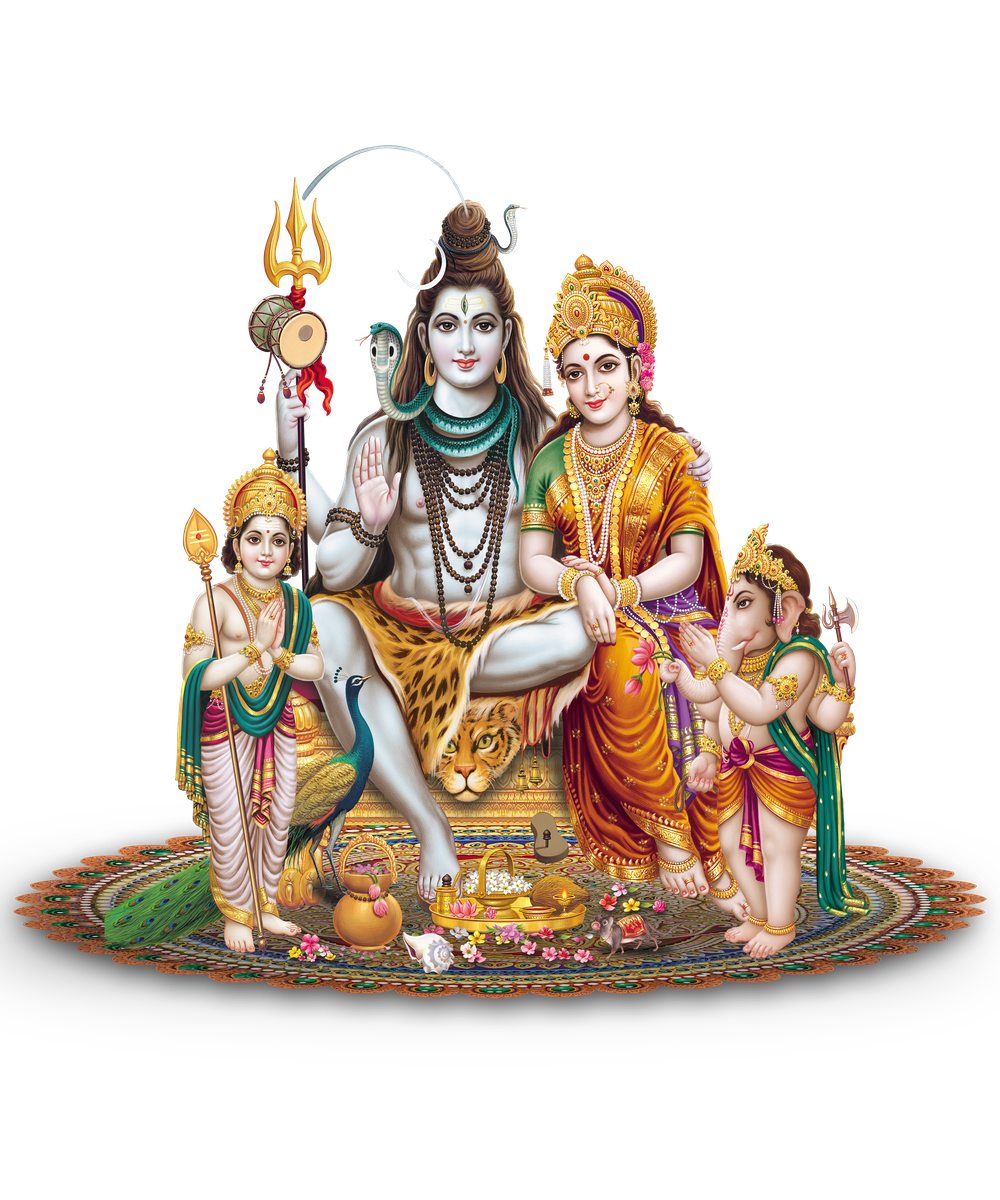
The Story (Vrat Katha) Goddess Parvati (as Shailputri) was the daughter of the Himalayas. Since childhood, she was determined to marry Lord Shiva. She performed severe penance for years to please him.
However, her father decided to marry her to Lord Vishnu. Parvati was distressed because she had already mentally accepted Shiva as her husband. She cried and told her feelings to her close friend.
Her friend decided to help. She “abducted” Parvati and took her deep into a thick forest near a river so her father could not find her. There, Parvati made a Shiva Linga out of sand and began a rigorous penance without food or water.
Her devotion shook the seat of Lord Shiva. Pleased by her unwavering love and sacrifice, Lord Shiva appeared before her and accepted her as his wife.
Later, Parvati’s father found her. Parvati told him she would only return if he agreed to her marriage with Shiva. Her father bowed to her wish.
Conclusion: Women who observe this Nirjala (waterless) fast and listen to this story are blessed with a happy married life, just as Parvati was united with Shiva.
Quick guide
Before you begin
Puja Vidhi
How to perform this puja
Sankalp
Take a vow and state your intention before the Shivalinga or Shiva image.
Abhishek
Perform Rudrabhishek with milk, honey, and water over the Shivalinga.
Bilva Patra
Offer Bilva leaves in sets of 3 — this is the most dear offering to Shiva.
Dhoop-Deep
Light incense and a ghee lamp and wave them in a clockwise arc.
Katha Path
Read or listen to the complete vrat katha.
Om Namah Shivaya
Chant 108 times or as many as possible with full focus.
Aarti
Perform Shiva aarti and distribute prasad.
Samagri
Items for the vrat
Mantra
Shiva mantra
Om Namah Shivaya
Chant with a quiet mind, especially on Monday, Pradosh, or during Shiva puja.
Bhav
Benefits devotees pray for
Care
Mistakes to avoid
FAQ
Common questions
Who should observe the Shiva vrat?
Anyone seeking relief from suffering, marital problems, or ancestral debts (Pitra Dosh) can observe this vrat.
Can the Shiva vrat be broken by water?
Most Shiva vrats allow Panchamrit (milk, curd, honey, ghee, sugar) and water. Full Nirjala fasting is only for Mahashivratri by strict devotees.
What if Bilva leaves are not available?
Shiva is also pleased with Dhatura flowers or even plain water offered with full devotion.
Want this puja performed with your sankalp?
Share your name, gotra if known, and prayer intention. Experienced pandits will guide you toward the right seva.