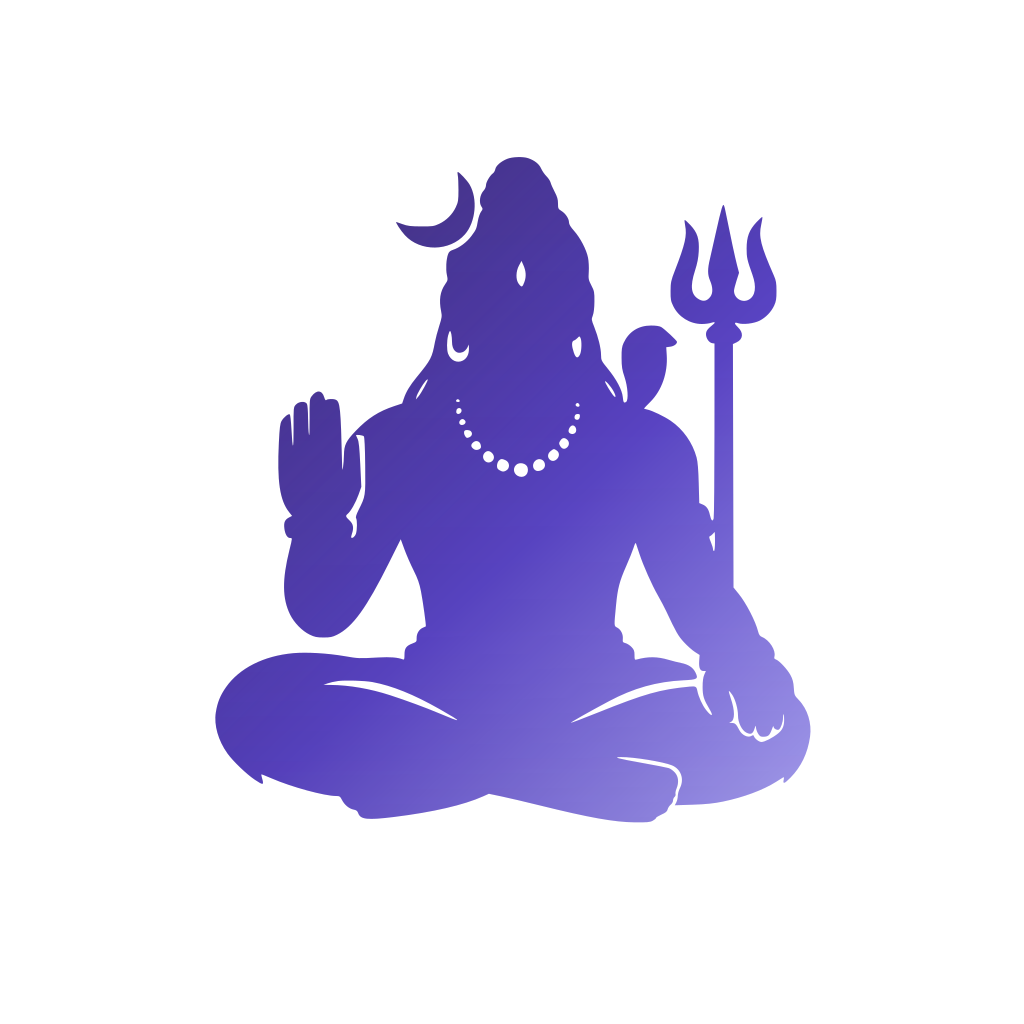
 ॐ जय शिव ओंकारा
The Divine Light of Shiva: Aarti Om Jai Shiv Omkara
This is the primary Aarti for Lord Shiva. It is essential for Mondays (Shiva’s day) and Maha Shivratri. It celebrates the “Trimurti” concept—acknowledging that Shiva, Vishnu, and Brahma are ultimately one energy (Ekanan Chaturanan). It brings deep me
This is the primary Aarti for Lord Shiva. It is essential for Mondays (Shiva’s day) and Maha Shivratri. It celebrates the “Trimurti” concept—acknowledging that Shiva, Vishnu, and Brahma are ultimately one energy (Ekanan Chaturanan). It brings deep me
Article
Why the Aarti is Essential & For What?
This is the primary Aarti for Lord Shiva. It is essential for Mondays (Shiva’s day) and Maha Shivratri. It celebrates the “Trimurti” concept—acknowledging that Shiva, Vishnu, and Brahma are ultimately one energy (Ekanan Chaturanan). It brings deep mental peace and spiritual grounding.
Katha
Simple Steps to Perform the Aarti
• Choose a clean, quiet space for your prayer, free from distractions. • Use a lamp with three wicks (symbolizing the three eyes of Shiva). • Offer Bael Patra (Wood apple leaves) and raw milk before the Aarti. • Apply a Tripundra (three horizontal lines of ash) on your forehead. • End by chanting “Har Har Mahadev” three times loudly.
Katha
Aarti: Full Text with Transliteration and Meaning
ॐ जय शिव ओंकारा, स्वामी जय शिव ओंकारा Om Jai Shiv Omkara, Swami Jai Shiv Omkara Meaning: Glory to Lord Shiva, the embodiment of Om.
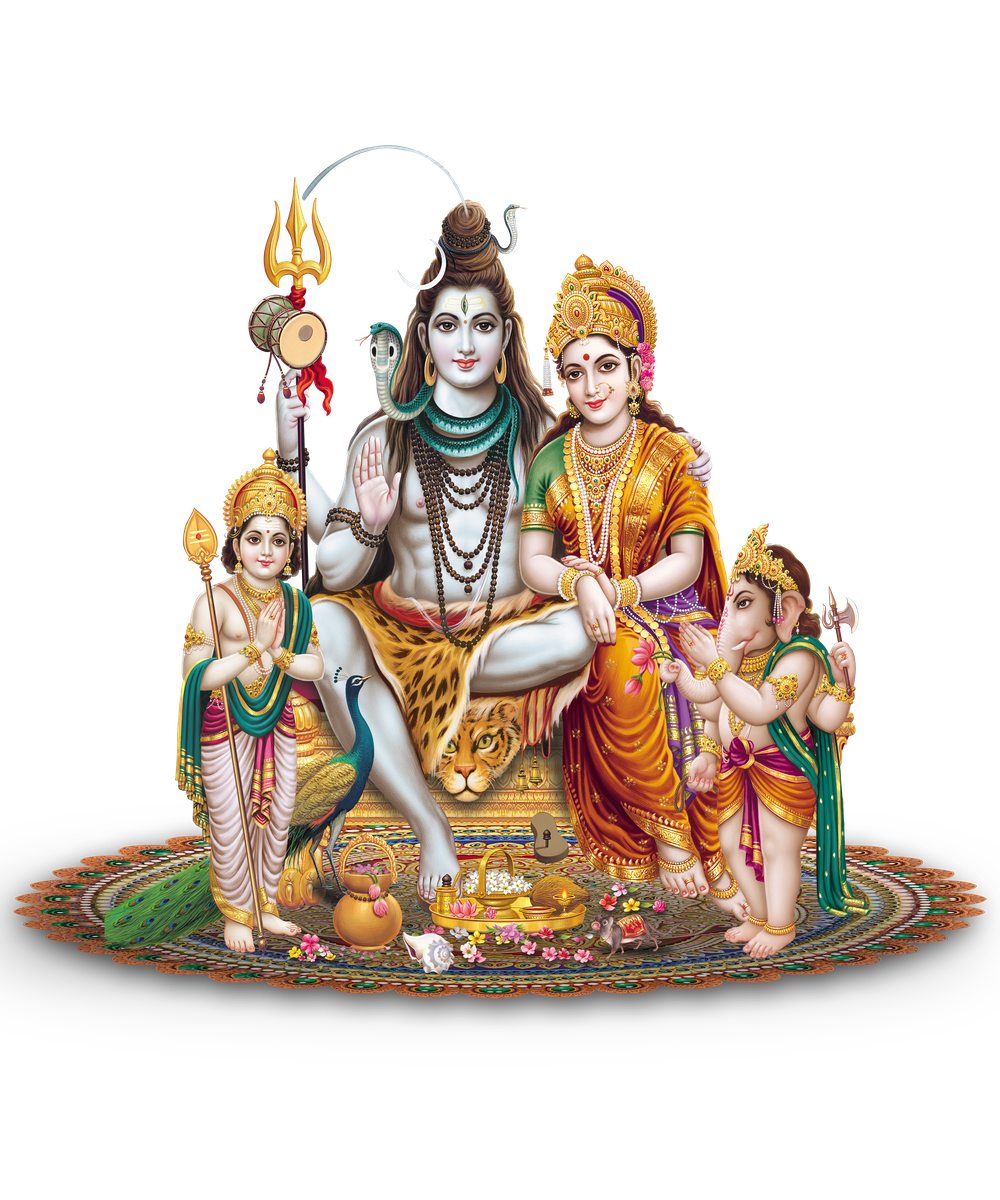
ब्रह्मा विष्णु सदाशिव, अर्द्धांगी धारा Brahma Vishnu Sadashiv, Arddhangi Dhara Meaning: Brahma, Vishnu, and Shiva; you hold the Goddess as your half.
एकानन चतुरानन, पंचानन राजे Ekanan Chaturanan, Panchanan Raje Meaning: One-faced (Vishnu), Four-faced (Brahma), Five-faced (Shiva) look majestic.
हंसासन गरुड़ासन, वृषवाहन साजे Hansasan Garudasan, Vrishvahan Saje Meaning: Swan-seated, Eagle-seated, Bull-seated (vehicles of the Trinity).
दो भुज चार चतुर्भुज, दस भुज अति सोहे Do Bhuj Char Chaturbhuj, Das Bhuj Ati Sohe Meaning: Two arms, four arms, ten arms—all look beautiful.
त्रिगुण रूप निरखता, त्रिभुवन जन मोहे Trigun Roop Nirakhta, Tribhuvan Jan Mohe Meaning: Seeing your form of three Gunas, the three worlds are charmed.
अक्षमाला वनमाला, रुण्डमाला धारी Akshamala Vanmala, Rundmala Dhari Meaning: Wearing garlands of beads, flowers, and skulls.
चंदन मृगमद सोहे, भाले शशि धारी Chandan Mrigamad Sohe, Bhale Shashi Dhari Meaning: Sandalwood and musk adorn you; the moon holds place on your forehead.
श्वेताम्बर पीताम्बर, बाघाम्बर अंगे Shvetambar Pitambar, Baghambar Ange Meaning: Dressed in white, yellow, and tiger skin.
सनकादिक ब्रह्मादिक, भूतादिक संगे Sankadik Brahmadik, Bhutadik Sange Meaning: Sages like Sanaka, Gods like Brahma, and spirits accompany you.
कर के मध्य कमंडलु, चक्र त्रिशूल धर्ता Kar Ke Madhya Kamandalu, Chakra Trishul Dharta Meaning: Holding a water pot, discus, and trident in your hands.
जगकर्ता जगहर्ता, जगपालन कर्ता Jagkarta Jagharta, Jagpalan Karta Meaning: Creator, Destroyer, and Sustainer of the world.
ब्रह्मा विष्णु सदाशिव, जानत अविवेका Brahma Vishnu Sadashiv, Janat Aviveka Meaning: Considering Brahma, Vishnu, and Shiva as separate is ignorance.
प्रणवाक्षर के मध्ये, ये तीनों एका Pranavakshar Ke Madhye, Ye Teeno Eka Meaning: In the syllable ‘Om’, these three are one.
त्रिगुण शिवजी की आरती, जो कोई नर गावे Trigun Shivji Ki Aarti, Jo Koi Nar Gave Meaning: Whoever sings this Aarti of the Three-Guna Shiva…
कहत शिवानंद स्वामी, मनवांछित फल पावे Kahat Shivanand Swami, Manvanchhit Phal Pave Meaning: Says Swami Shivanand, they get the fruits of their desires.
Katha
Dos and Don’ts for a Respectful Aarti
• Do: Keep the vibe meditative. Shiva worship is less about pomp and more about focus (Dhyana). • Don’t: Do not offer Ketaki flowers (cursed in mythology) or Tulsi to Shiva.
Katha
Mythological Anchor The line “Brahma Vishnu Sadashiv”
The line “Brahma Vishnu Sadashiv” reflects the philosophy of Advaita that the Creator, Preserver, and Destroyer are just different masks of the same singular Divine Truth (Om).
Katha
Famous Temple Mahakaleshwar Jyotirlinga, Ujjain, Madhya Pradesh.
Mahakaleshwar is one of the twelve sacred Jyotirlingas and is unique for being the only Dakshinamukhi (south-facing) idol, symbolizing Shiva’s mastery over death. The temple is world-renowned for the intense Bhasma Aarti, a pre-dawn ritual performed daily at 4:00 AM where the Lord is bathed in fresh ash (vibhuti), representing the ultimate reality of life and death. The complex has recently been expanded with the magnificent Mahakal Lok corridor, adorned with massive statues and murals depicting Shiva Purana stories.
Katha
One-Line Takeaway
A powerful reminder that God is One, despite having many names and forms.
Quick guide
Before you begin
Mantra
Shiva mantra
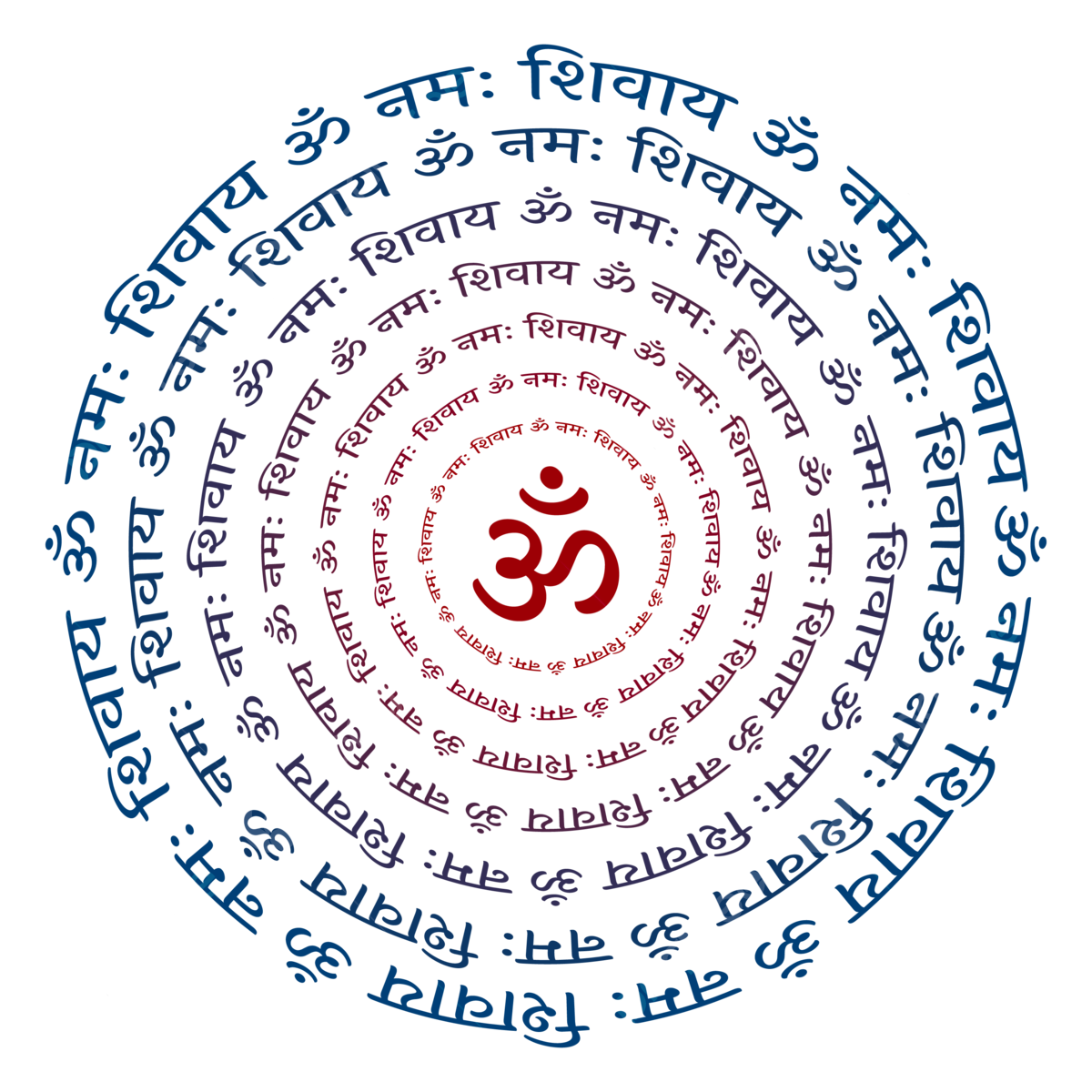
Om Namah Shivaya
Chant with a quiet mind, especially on Monday, Pradosh, or during Shiva puja.
Bhav
Benefits devotees pray for
FAQ
Common questions
Who should observe the Shiva vrat?
Anyone seeking relief from suffering, marital problems, or ancestral debts (Pitra Dosh) can observe this vrat.
Can the Shiva vrat be broken by water?
Most Shiva vrats allow Panchamrit (milk, curd, honey, ghee, sugar) and water. Full Nirjala fasting is only for Mahashivratri by strict devotees.
What if Bilva leaves are not available?
Shiva is also pleased with Dhatura flowers or even plain water offered with full devotion.
Want this puja performed with your sankalp?
Share your name, gotra if known, and prayer intention. Experienced pandits will guide you toward the right seva.