
 जय तुलसी माता
Jai Tulsi Mata: The Daily Courtyard Prayer
This Aarti is unique because it is sung to a plant. The Holy Basil (Tulsi) is worshipped as a goddess. This is essential for the Tulsi Vivah festival and for the daily evening ritual of lighting a lamp near the Tulsi plant in the courtyard.
This Aarti is unique because it is sung to a plant. The Holy Basil (Tulsi) is worshipped as a goddess. This is essential for the Tulsi Vivah festival and for the daily evening ritual of lighting a lamp near the Tulsi plant in the courtyard.
Article
Why the Aarti is Essential & For What?
This Aarti is unique because it is sung to a plant. The Holy Basil (Tulsi) is worshipped as a goddess. This is essential for the Tulsi Vivah festival and for the daily evening ritual of lighting a lamp near the Tulsi plant in the courtyard.
Katha
Simple Steps to Perform the Aarti
- This is performed outdoors or on a balcony where the plant is kept.
- Use a ghee lamp made of flour dough (Aate ka diya) or brass.
- Circle the plant 3 times (Parikrama) after the Aarti.
- Offer water to the roots (only in the morning, not evening).
Katha
Aarti: Full Text with Transliteration and Meaning
जय जय तुलसी माता Jai Jai Tulsi Mata Meaning: Victory to Mother Tulsi.
सब जग की सुख दाता, सबकी वर माता Sab Jag Ki Sukh Data, Sabki Var Mata Meaning: Giver of happiness to the world, Mother of blessings.
सब योगों से ऊपर, सब रोगों से ऊपर Sab Yogon Se Upar, Sab Rogon Se Upar Meaning: Superior to all Yogas, curer of all diseases.
रज से रक्ष करके, सबकी भव त्राता Raj Se Raksha Karke, Sabki Bhav Trata Meaning: Protecting purity, saving everyone from the world.
बटु पुत्री है श्यामा, सूर बल्ली है ग्राम्या Batu Putri Hai Shyama, Sur Balli Hai Gramya Meaning: You are the daughter of the sage, the dark one, the divine creeper.
विष्णु प्रिय जो नर तुमको सेवे, सो नर तर जाता Vishnu Priya Jo Nar Tumko Seve, So Nar Tar Jata Meaning: Beloved of Vishnu, whoever serves you crosses the ocean of life.
हरि के शीश विराजत, त्रिभुवन से हो वंदित Hari Ke Sheesh Virajat, Tribhuvan Se Ho Vandit Meaning: You sit on Hari’s head (offering); worshipped by the three worlds.
पतित जनो की तारिणी, तुम हो विख्याता Patit Jano Ki Tarini, Tum Ho Vikhyata Meaning: Savior of the fallen, you are famous.
लेकर जन्म विजन में, आई हो उपवन में Lekar Janm Vijan Mein, Aayi Ho Upvan Mein Meaning: Born in the wild, you came to the garden.
जानि शिरोमणि क्रिय, सब जग की माता Jani Shiromani Kriya, Sab Jag Ki Mata Meaning: The wisest action, O Mother of the World.
Katha
Dos and Don’ts for a Respectful Aarti
- Do: Cover your head (for women) or maintain high hygiene while near the plant.
- Don’t: Do not pluck Tulsi leaves on Sundays, Tuesdays, or in the evenings.
Katha
Mythological Anchor The Aarti refers to her as “Vishnu Priya”
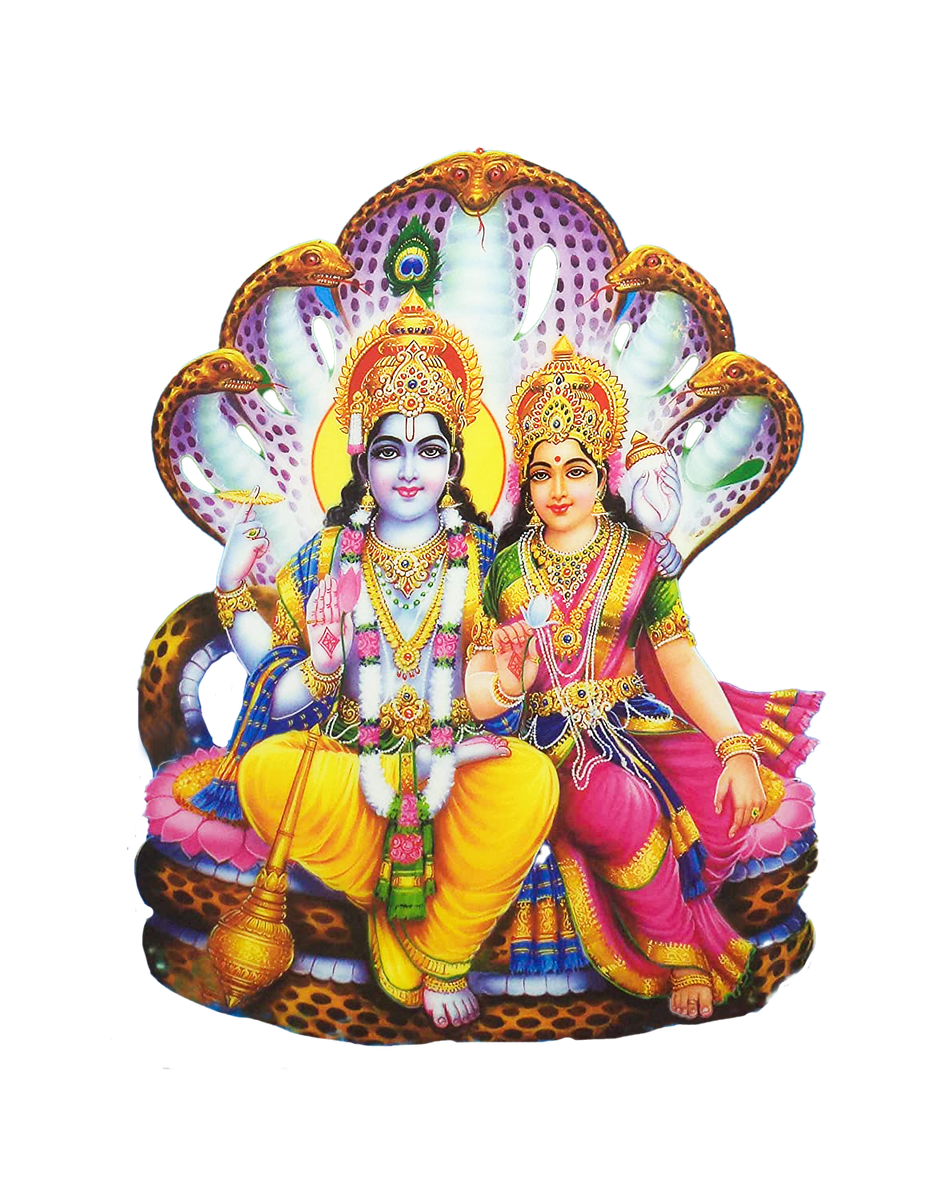
The Aarti refers to her as “Vishnu Priya” (Beloved of Vishnu). In mythology, she was Vrinda, who was blessed to become the Tulsi plant and married to Vishnu in the form of the Shaligram stone.
Katha
Famous Temple: Every Hindu household’s courtyard (Tulsi Vrindavan).
Unlike other deities who reside in grand stone structures, Goddess Tulsi’s most significant and authentic “temple” is the Tulsi Vrindavan found in the courtyard or balcony of every traditional Hindu home. She is unique because her primary abode is domestic, not institutional, effectively turning every household that nurtures her into a sacred sanctuary.
Katha
One-Line Takeaway
Honoring the sacred plant that brings health and holiness to the home.
Quick guide
Before you begin
Mantra
Tulsi Mata mantra
Om Tulasyai Namah
Chant near the Tulsi plant with a lamp, water offering, and sincere devotion.
Bhav
Benefits devotees pray for
FAQ
Common questions
What is the significance of Ekadashi fasting?
Ekadashi is the most powerful day to please Vishnu. Fasting on this day is believed to remove sins accumulated over many lifetimes.
Can I drink water during Ekadashi?
Yes, water is allowed. Full Nirjala (waterless) Ekadashi is only for the Nirjala Ekadashi in summer — it's the most powerful but optional.
What food is allowed on Ekadashi?
Fruits, milk, nuts, sendha namak, sabudana, and Panchamrit are allowed. Avoid grains, beans, and certain spices.
Want this puja performed with your sankalp?
Share your name, gotra if known, and prayer intention. Experienced pandits will guide you toward the right seva.